Short answer: Yes, Pakistan is safe for American tourists in 2026, particularly in the popular tourist regions of Hunza, Skardu, Islamabad, and Lahore. Over the past three years, I’ve personally guided dozens of American travelers through Pakistan and not a single one has had a serious safety incident.
I’m Karim Khan, a licensed tour operator based in Hunza, Pakistan. I run The Vacation Project, a tour company that specializes in small-group tours to Pakistan for international travelers. Americans make up roughly 40% of the guests I guide each year. This isn’t a theoretical article. It’s based on what I actually see, hear, and live through every single tour season.
Let me tell you the real story of Pakistan’s safety in 2026, including the things travel advisories won’t tell you.
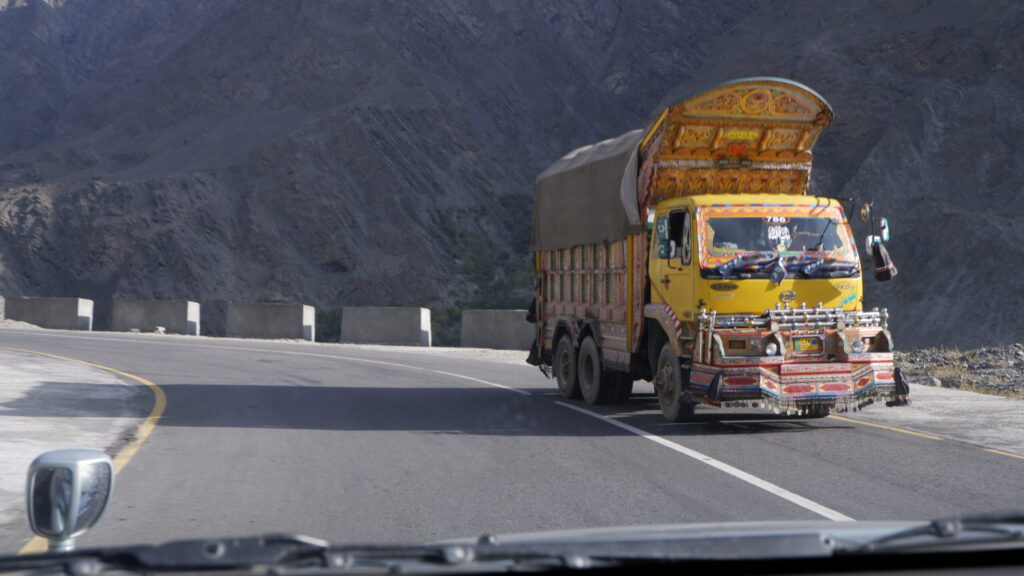
Table of Contents
The Most Common Question I Get From Americans
Every American I’ve ever guided, without exception, asked me some version of this before they booked: “My family is worried about my safety. What do I tell them?”
I used to try to give them a long, nuanced answer. Now I just tell them what happened to a guest of mine named Jennifer from Denver last year.
Jennifer arrived at Islamabad airport at 2 AM, exhausted, and realized she had lost her phone somewhere between the gate and immigration. She was about to cry. A Pakistani airport cleaner, a man named Rashid who didn’t speak much English, spent forty minutes walking the entire terminal with her, retracing her steps. They found the phone on a chair near the baggage claim. He refused a tip.
That’s Pakistan. The country is genuinely safe in the places tourists go, and the people are among the most hospitable on earth. The hard part is convincing your family back home that what they see on the news is not what you’ll experience on the ground.
What the US State Department Actually Says
The US State Department’s travel advisory for Pakistan is currently Level 3: “Reconsider Travel.” This sounds alarming, but you need to read the details.
The advisory specifically warns against travel to:
- Balochistan province (southwest Pakistan, near the Iran/Afghanistan border)
- Khyber Pakhtunkhwa border regions with Afghanistan
- Azad Kashmir along the Line of Control with India
It does NOT warn against travel to Islamabad, Lahore, Karachi, the Hunza Valley, Skardu, Gilgit-Baltistan, or any of the regions tourists actually visit. These areas are considered safe and have active security infrastructure designed specifically for tourism.
For context, the State Department issues Level 3 advisories for France, Germany, and Italy at various times. The classification is broader and more cautious than most Americans realize.
Which Parts of Pakistan Are Safe for Americans?
Based on my direct experience guiding American travelers since 2017, here are the regions that are safe and where tourism infrastructure is well-developed:
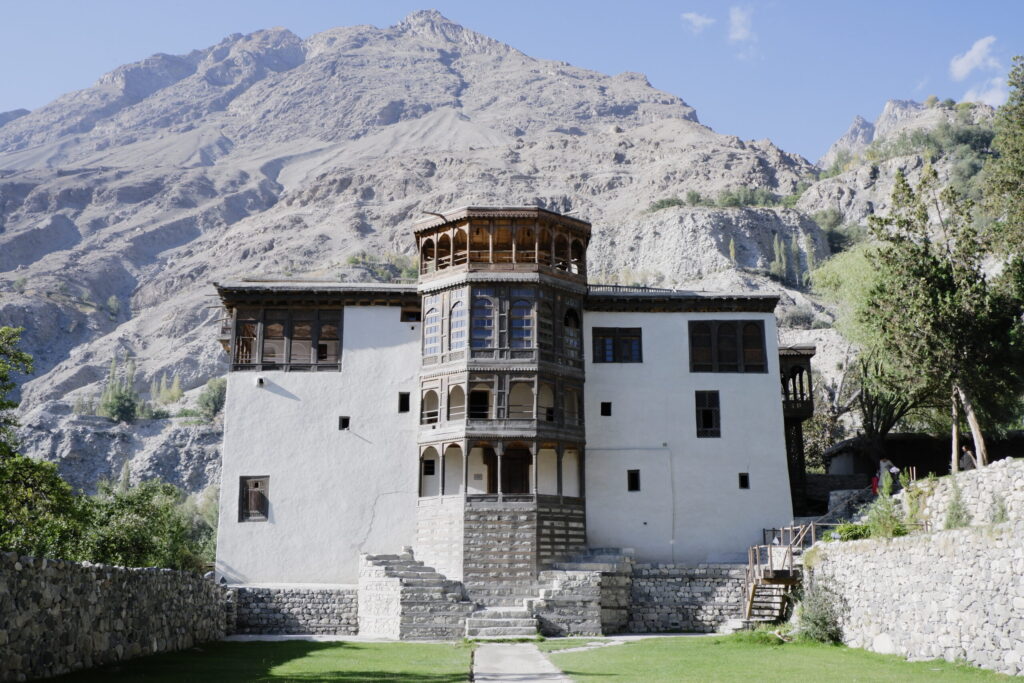
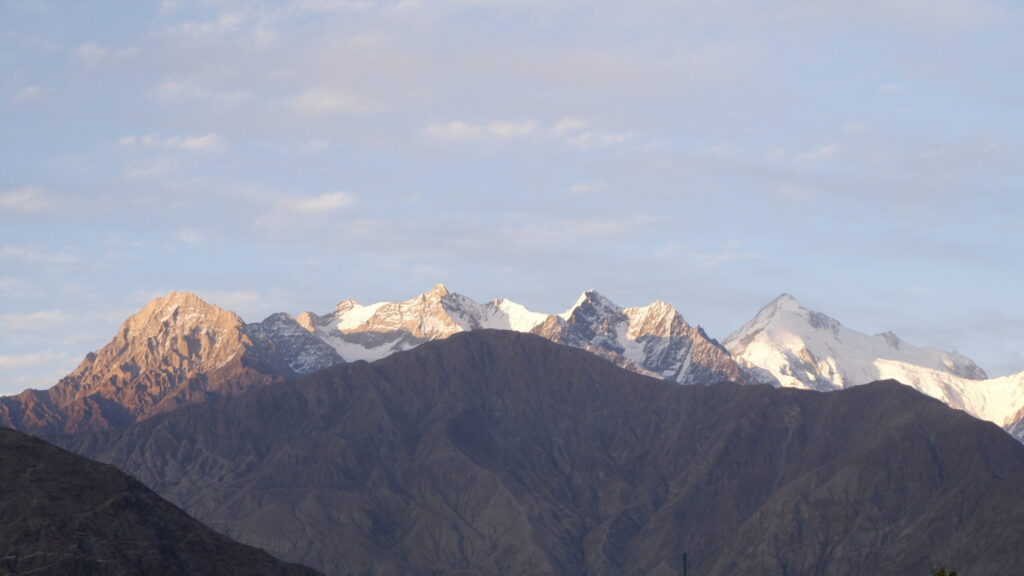
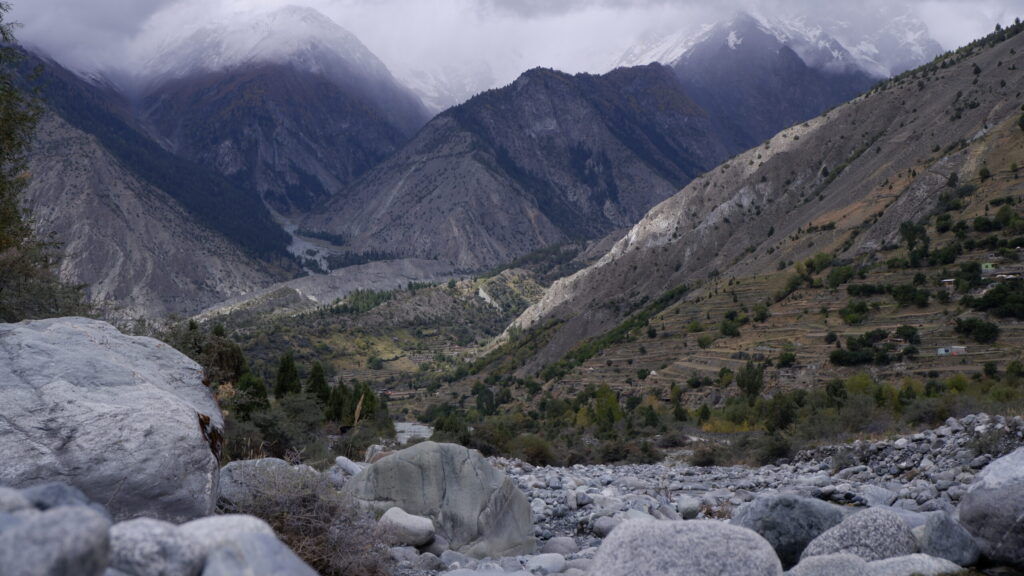
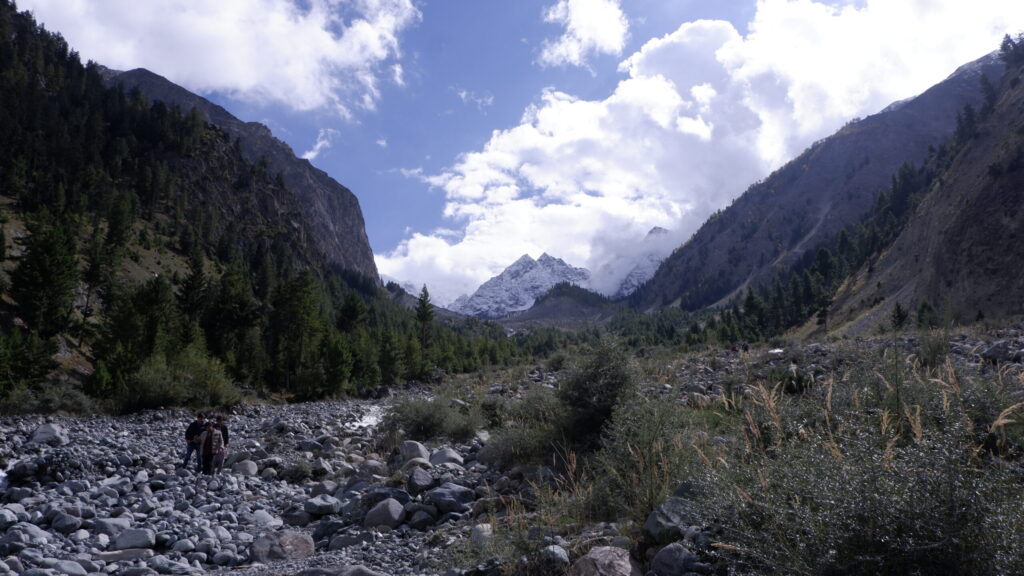
Gilgit-Baltistan (including Hunza Valley, Skardu, and Gilgit): This is the safest region in Pakistan. Violent crime is nearly non-existent. Hunza in particular has one of the lowest crime rates in all of Asia. I’ve had American solo female travelers walk alone through Karimabad at midnight without issue.
Islamabad: The capital is modern, clean, and secure. Diplomatic quarters, the Faisal Mosque, and the Margalla Hills are all safe to visit. Your tour will likely start and end here.
Lahore: The cultural capital has excellent tourism security. The Walled City, Badshahi Mosque, and Lahore Fort all have a tourist police presence. I’ve walked through the busiest bazaars with American guests dozens of times without incident.
Chitral and Kalash Valley: Remote but safe. The Kalash people are famously welcoming, and security along the route is tight.
Karachi and the Indus Valley sites: Safe for organized tourism. Mohenjo Daro and Harappa are protected heritage sites with security personnel.
What a Real Tour Through Pakistan Looks Like
To demystify this, let me walk you through what actually happens when an American books a tour with us.
You land at Islamabad International Airport. I meet you at arrivals holding a sign with your name. From there, you’re in a private vehicle with an experienced driver I’ve worked with for years. You check into a hotel in a secure area of the city. The next morning, you fly or drive to the north.
On the road, you’ll encounter Pakistan Army checkpoints. These exist for your protection. Foreigners are registered at each checkpoint. This isn’t something to be worried about. It’s something that makes Pakistan safer than most countries for foreign visitors because the government genuinely wants tourism to succeed and they monitor foreigner safety closely.
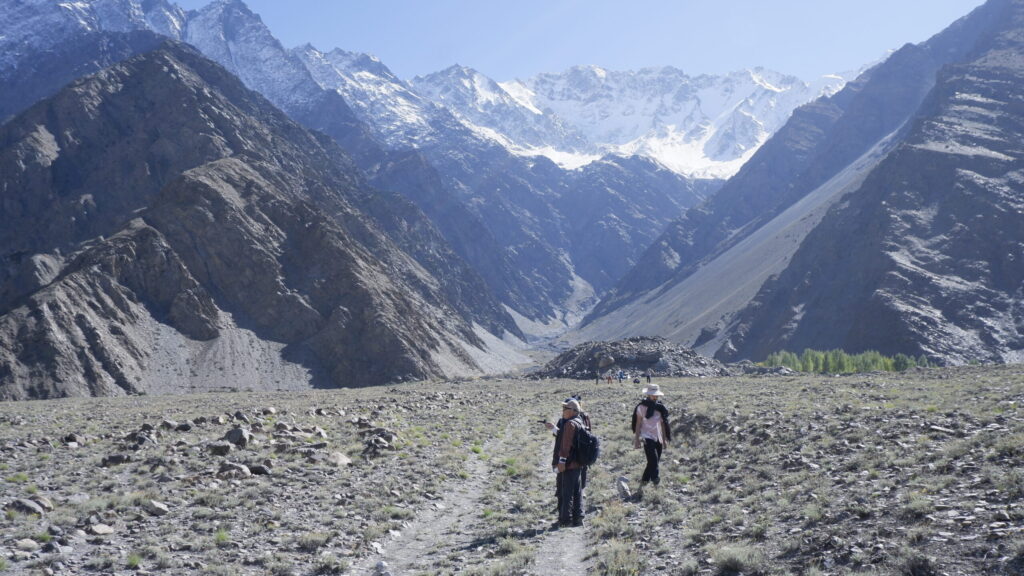
In Hunza, you stay in family-run guesthouses or boutique hotels. You walk through villages. You eat in local homes. At no point do you feel unsafe. What you actually feel, which surprises most Americans, is how extraordinarily welcomed you are.
A Story About Shannon From Boston
In October 2025, I guided a woman named Shannon from Boston on our 8-day Hunza tour. She was a solo traveler, 34 years old, and had never been to a Muslim-majority country.
On day three, we stopped in a small village called Duikar for chai with a local family. The grandmother of the house, Amina Bibi, didn’t speak English. Shannon didn’t speak Burushaski or Urdu. For two hours, through me translating and a lot of pointing and laughing, they talked about everything: grandchildren, husbands, apricot jam recipes, and what life is like in Boston versus Hunza.
When we left, Amina Bibi gave Shannon a handwoven wool shawl and refused payment. Shannon cried on the drive back.
Three weeks later, after Shannon returned home, her sister booked a trip with us. That’s what actually happens in Pakistan. It’s not what you see on the news.
Is Pakistan Safe for American Women Specifically?
This deserves its own section because it’s the most common concern I hear from female travelers.
In the tourist regions, yes, Pakistan is safe for American women, including solo travelers.
Some specific advice based on what I’ve observed over years of guiding:
Dress modestly in public. In Islamabad and Lahore, this means covering shoulders and wearing pants or long skirts. In Hunza, the dress code is noticeably more relaxed and you’ll see local women in a wide range of styles. A shalwar kameez (traditional outfit) is cheap, beautiful, and makes you blend in beautifully.
You will get stared at. This isn’t hostile. It’s because many Pakistanis in rural areas have never seen a Western tourist. The staring is curious, not threatening. I’ve noticed this bothers some female travelers at first, but they usually get used to it by day three.
You will be asked for photos. Constantly. If you’re comfortable, smile and take the photo. If you’re not, a polite “no thank you” with a smile is respected. I’ve never seen this turn into anything uncomfortable.
Avoid political discussions, especially about India, Kashmir, and US foreign policy. Pakistanis generally like Americans but strong opinions exist about geopolitical issues. Keep conversations focused on culture, food, and travel.
What About Terrorism?
This is the elephant in the room, so let me address it directly.
Terrorism in Pakistan exists but is concentrated in specific regions that tourists don’t visit: border areas with Afghanistan, parts of Balochistan, and tribal areas in the far west. Major tourist destinations like Hunza, Skardu, Islamabad, and Lahore have not experienced terrorist incidents in years.
Pakistan’s security apparatus takes the protection of foreign tourists extraordinarily seriously. After the attack on the Sri Lankan cricket team in 2009, the government invested heavily in tourism security. Today, as a foreign tourist in Pakistan, you are one of the most-watched and protected demographics in the country. Police escorts are provided on certain sensitive routes at no cost to you.
In my nine years of guiding, I’ve never had a security incident with any guest. Not one.
Comparing Pakistan to Other Destinations
Let me put Pakistan’s safety in context. According to global crime statistics, Pakistan’s violent crime rate is lower than the United States, Mexico, Brazil, and South Africa. The tourist-heavy regions of Hunza and Skardu have crime rates lower than most small American towns.
The gap between Pakistan’s reputation and Pakistan’s reality is enormous. I’ve had guests tell me they felt safer in Hunza than they do in their home neighborhoods in the US.
Practical Safety Tips for American Travelers
Here’s what I tell every American before their trip:
Register with the US Embassy through STEP. The Smart Traveler Enrollment Program lets the embassy know you’re in the country. It’s free and takes five minutes online.
Keep copies of your passport. Both physical copies and photos on your phone. Also keep a copy with your tour operator.
Get travel insurance with medical evacuation coverage. This is non-negotiable. Medical facilities in remote areas are limited, and evacuation from the northern regions can be expensive without insurance.
Tell your bank you’re traveling to Pakistan. Your cards may get frozen otherwise. I’ve seen this happen to at least a dozen guests who didn’t notify their banks in advance.
Drink only bottled water. This has nothing to do with safety from crime but everything to do with not spending a day in your hotel bathroom.
Don’t flash expensive electronics in crowded markets. Petty theft is rare but not impossible, especially in dense urban areas like Lahore’s walled city.
Follow your guide’s advice. If I tell you we’re not stopping in a particular town, there’s a reason. Trust the locals.
The Real Risks You Should Actually Worry About
In my experience, the things that actually cause problems for American travelers in Pakistan are almost never what they worried about before arriving. Here’s what actually goes wrong, roughly in order of frequency:
Food poisoning. Most common issue by far. Drink bottled water, eat at places your guide recommends, and give your stomach a few days to adjust.
Altitude sickness. Hunza sits at 2,500 meters. The Khunjerab Pass crosses 4,700 meters. Some travelers struggle with altitude. Stay hydrated and take it slow the first two days.
Weather delays. Flights to Gilgit and Skardu are famous for being cancelled due to weather. Build buffer days into your itinerary.
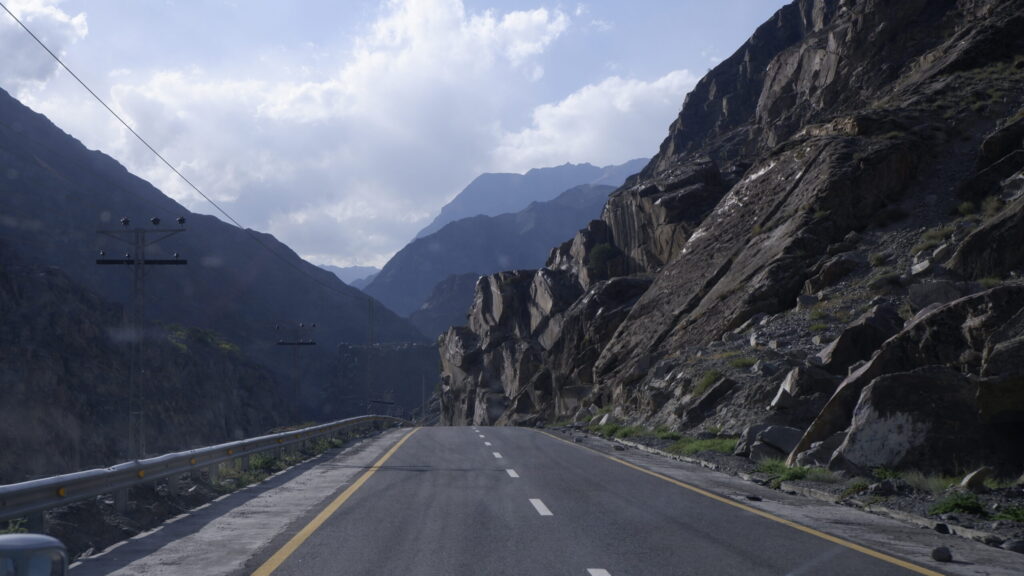
Road conditions. The Karakoram Highway is spectacular but the roads can be rough, especially after monsoon season. Motion sickness is common. Bring medication.
Currency exchange scams in unregulated shops. Use ATMs in major cities or exchange money through your hotel.
Actual violent crime against tourists? In nine years of guiding, I’ve never had a single guest experience it.
Why Americans Keep Coming Back
Despite all the concerns, something interesting happens with American travelers in Pakistan. They come back. And they bring their friends.
I have a family from Seattle who booked with us in 2019. The father returned in 2021 with his adult son. The mother came back in 2023 with her sister. The son returned again in 2025 with his fiancée. That’s four separate trips from one family across six years.
They keep coming because Pakistan gets under your skin. The mountains, the food, the people, the history. You can’t get this experience anywhere else in the world. And once you realize the safety concerns were overblown, the barrier to returning disappears.
What to Do If You’re Still Nervous
If you’ve read this far and still feel uncertain, here’s my honest advice:
Book with a licensed local operator. I’m obviously biased here, but having someone on the ground who speaks the language, knows the roads, and has relationships with hotels and drivers removes 90% of the things that could go wrong. If you’re interested in Pakistan tours with English-speaking local guides, feel free to reach out.
Talk to someone who has actually been. Reviews online are helpful but talking directly to a past traveler is better. Every tour operator should be willing to connect you with references.
Start with a guided tour, not solo travel. Once you’ve seen Pakistan with a guide, you’ll know whether you want to return solo. Most people don’t because the guided experience gives them so much more access to local life.
Trust your gut, but educate it first. If your only information about Pakistan comes from American news, your gut is working with incomplete information. Read travel blogs from people who have actually been. Watch YouTube videos from travelers in Hunza and Lahore. See what people on the ground actually experience.
What Americans Get Wrong About Pakistani Airport Security
The moment most American travelers feel nervous is when they land at Islamabad airport at 2 AM and see armed soldiers. Let me demystify this.
Pakistan’s airports have three layers of security you’ll encounter: regular airport security, Airport Security Force (ASF) personnel, and occasionally military. The soldiers with rifles you see near the arrivals gate? They’re not there because something is wrong. They’re standard. Think of it like the Italian police you’d see at Rome’s Fiumicino airport, just with more visible equipment.
Here’s what nobody tells you: Pakistani immigration officers are genuinely curious about Americans. Expect questions like “Why Pakistan?” and “Where are you going?” These aren’t suspicious questions. They’re conversational. One of my guests, a retired teacher from Minnesota named Patricia, spent fifteen minutes at immigration because the officer wanted to know what her favorite American novel was. She missed our pickup window because she got so engaged in the conversation. This is normal. Relax into it.
One practical tip: bring a printed copy of your visa, your hotel booking, and your return flight. Not because anyone will seriously scrutinize them, but because having them ready speeds up the process and looks organized.
The Cell Phone Situation Americans Aren’t Prepared For
Every American traveler gets caught off guard by this: your US cell phone plan will probably work for calls but cost you a fortune, and foreign SIM cards for tourists require a Pakistani national ID to purchase. This creates a small problem Americans don’t anticipate.
Here’s what actually works. Your tour operator (or hotel in some cases) can purchase a tourist SIM on your behalf using their Pakistani ID. This is legal and common. A typical tourist SIM with 20GB of data costs around $8 for two weeks. Jazz and Zong are the two networks with the best coverage in the north. Avoid Telenor if you’re going to Hunza since coverage gets spotty past Gilgit.
Internet speed in Hunza is surprisingly good in 2026 thanks to fiber optic installations over the past two years. You can easily video call family from Karimabad. In Skardu, coverage is good in town but weak outside. In the remote areas near Shimshal or Khunjerab Pass, you’ll have no signal. Download offline maps before you go.
Also worth knowing: WhatsApp is the dominant messaging app in Pakistan. Everyone uses it. Your guide, hotel, driver, and tour operator will all coordinate via WhatsApp. Install it before you arrive.
The Unspoken Rules About Photography
This is something I wish every American guest knew before arriving because it can create uncomfortable moments that are totally avoidable.
Don’t photograph military installations, checkpoints, or bridges. This is the one genuine rule. It’s not aggressively enforced, but you can be detained briefly if caught. Just don’t do it.
Ask before photographing women, especially older women in rural areas. Some will happily pose. Others will feel deeply uncomfortable. A simple gesture toward your camera with a questioning look is universally understood. If they shake their head, move on.
Photographing children is complicated. Pakistani children will often run up to Western tourists asking for photos. Parents almost always consent if they’re nearby. But taking photos of children without a parent present feels awkward for local observers. When in doubt, don’t.
Shrines and mosques have their own rules. At major sites like Badshahi Mosque in Lahore, photography is fine outside but restricted inside prayer halls. Smaller Sufi shrines often prohibit photography entirely. Your guide will tell you what’s allowed.
Selfies with locals will happen to you constantly. This surprises every American guest. You will be asked for selfies by Pakistani families at tourist sites, by university students, by shopkeepers, and by random people on the street. This isn’t something to worry about. It’s because foreign tourists are still uncommon enough to be exciting. If you’re comfortable, smile for the photo. If not, a polite refusal is fine.
One of my guests from California, a software engineer named Marcus, calculated that he appeared in over 200 photos during his 8-day tour. His joke: “I’ve been in more Pakistani Instagrams than my own.”
Why the US-Pakistan Political Climate Doesn’t Affect Your Trip
Americans often worry about anti-American sentiment because of US foreign policy in the region. Let me address this directly based on what I observe daily.
Pakistanis, by and large, distinguish sharply between the American government and American people. This is culturally important. Most Pakistanis you meet will have family in the US (the Pakistani-American diaspora is over 1 million people) or will know someone who does. You are far more likely to be welcomed enthusiastically than viewed with suspicion.
Political conversations can happen, especially if you’re in a chatty mood at a tea shop. My honest advice: listen more than you talk. Pakistanis have strong views on US foreign policy, drone strikes, Israel, India, and Afghanistan. These conversations can be fascinating if you approach them as cultural exchange rather than debate. But don’t try to defend or explain US policy decisions you had nothing to do with. Just listen, ask questions, and enjoy the exchange.
One useful phrase to know: if a political conversation gets too intense, you can smile and say “I’m just here for the mountains and the food.” This always works. Pakistanis love their mountains and food enough to change any subject.
What Happens If You Get Sick in Pakistan
This is the scenario Americans genuinely should plan for, because it’s more likely than any security issue.
Major cities have world-class private hospitals. Islamabad’s Shifa International Hospital and Lahore’s Doctors Hospital are both excellent and used by expats and diplomats. A doctor’s consultation costs $20-40, and most physicians speak English. Your US health insurance almost certainly won’t work, but costs are low enough that you can pay out of pocket for most issues and get reimbursed later.
The problem is in the remote areas. Hunza has a district hospital in Aliabad that’s adequate for minor issues. Serious medical problems require evacuation to Gilgit (two hours by road) or Islamabad (one hour by flight, weather permitting). This is why travel insurance with medical evacuation coverage is essential for any trip to the north.
Common issues and what to do:
Traveler’s diarrhea: Extremely common. Pack Imodium, Pepto-Bismol, and oral rehydration salts. If symptoms persist past 48 hours or include blood, see a doctor. Your guide will know the right one.
Altitude sickness: Diamox (acetazolamide) is the standard preventive medication. Get a prescription before you leave the US. Mild symptoms (headache, nausea) are normal above 3,000 meters and resolve with rest and hydration. Severe symptoms (confusion, difficulty breathing) require immediate descent.
Minor injuries: Pharmacies are everywhere and well-stocked. You can get bandages, antiseptic, and basic medications without a prescription. Pharmacists often speak English in major cities.
Allergies: Bring your own EpiPen if you have severe allergies. They’re hard to source in Pakistan. Tell your guide about any food allergies on day one. Pakistani food contains a lot of nuts, dairy, and wheat.
Last year, a guest from Georgia named Rebecca had a severe asthma attack at 3,200 meters near Passu. We got her to the Aliabad hospital within 90 minutes, her insurance covered a helicopter evacuation to Islamabad, and she was back home in Atlanta within four days. The system works if you’re prepared.
The Money Conversation Americans Avoid
Let’s talk about something most travel guides won’t: the economic reality of traveling in Pakistan as an American and how to handle it gracefully.
Pakistan’s economy is struggling. The rupee has devalued significantly. By American standards, you will be wealthy while traveling here. A nice dinner costs you $10 and represents a meaningful portion of someone’s weekly wages. This creates situations that feel awkward if you’re not prepared.
Tipping culture. Tips are appreciated but not required at the aggressive levels of American tipping culture. A 10% tip at restaurants is generous. For porters carrying bags, 100-200 rupees ($0.35-$0.70) is standard. For drivers on multi-day trips, 2,000-5,000 rupees ($7-$18) at the end is appropriate. Your guide will advise on specific situations.
Bargaining. Expected at markets and bazaars, not at established shops. The rule of thumb: start at 50% of the asking price and settle around 70%. Bargaining should be friendly, never aggressive. Shopkeepers enjoy the process. If you hate haggling, most tourist areas have fixed-price government craft shops where you can buy the same items without negotiation.
Charity and requests for money. You will occasionally encounter people asking for money, especially near religious sites. My approach: I don’t give money directly but I do give to established organizations. The Edhi Foundation is Pakistan’s most respected charity and does incredible work. If you feel moved to give, donate there before leaving.
The generosity trap. This is the hardest one. Pakistani hospitality means people will feed you, give you things, and refuse payment. If you try to force money on someone who has hosted you for tea, you will embarrass them deeply. The culturally correct response is to accept the hospitality gracefully, thank them warmly, and reciprocate with small gifts (chocolates, a photo printed and sent later, a thank-you message through your guide). Don’t try to pay for hospitality. It’s not how this culture works.
One of my guests, a financial advisor from New York named David, spent three hours with a carpet weaver’s family in Lahore. The family served him tea, lunch, and showed him their craft. At the end, he tried to give the grandmother 5,000 rupees ($18) as thanks. She was visibly hurt and refused. David was mortified. What he learned, and what I want you to know: in Pakistan, genuine human connection has no price tag. Honor it by being present, not by paying.
The Bottom Line
Pakistan in 2026 is safer for American travelers than most Americans realize. The tourist regions of Gilgit-Baltistan, Islamabad, Lahore, and Chitral have excellent safety records. The security infrastructure for foreign tourists is better than most countries. The people are among the warmest and most hospitable you will ever meet.
The real question isn’t whether Pakistan is safe. It’s whether you’re willing to travel beyond what the headlines suggest. If you are, you’ll discover a country that will fundamentally change how you think about travel, hospitality, and the world.
About the Author: Karim Khan is a licensed tour operator based in Hunza, Pakistan, and the lead guide at The Vacation Project. He has guided international travelers through Pakistan for many years. For personalized travel advice or to book a Pakistan tour, contact info@thevacationproject.co.
Last updated: April 2026