Quick answer (TL;DR): Yes, Skardu is one of the safest cities in Pakistan and serves as the gateway to the Karakoram mountains, K2, and Baltistan region. With a population of around 200,000 people, Skardu has an active tourism economy, well-established security infrastructure, and welcomes thousands of international trekkers, mountaineers, and adventure travelers each year. Violent crime is rare, the local Balti community is known for hospitality, and the Pakistan Army’s Northern Areas command maintains a strong protective presence given Skardu’s strategic location near K2 expedition routes.
I’m Karim Khan, a government-licensed Pakistani tour operator (License ID 98982) who runs Pakistan tours for The Vacation Project. While my home is Hunza Valley, I’ve been operating tours through Skardu since 2017 — leading K2 Base Camp expeditions, Baltoro Glacier treks, and cultural tours through Shigar and Khaplu. I’ve spent more than 200 nights in Skardu over the past nine years and guided hundreds of international clients through the city and its surrounding region.
This is my honest assessment of Skardu safety based on years of direct experience.
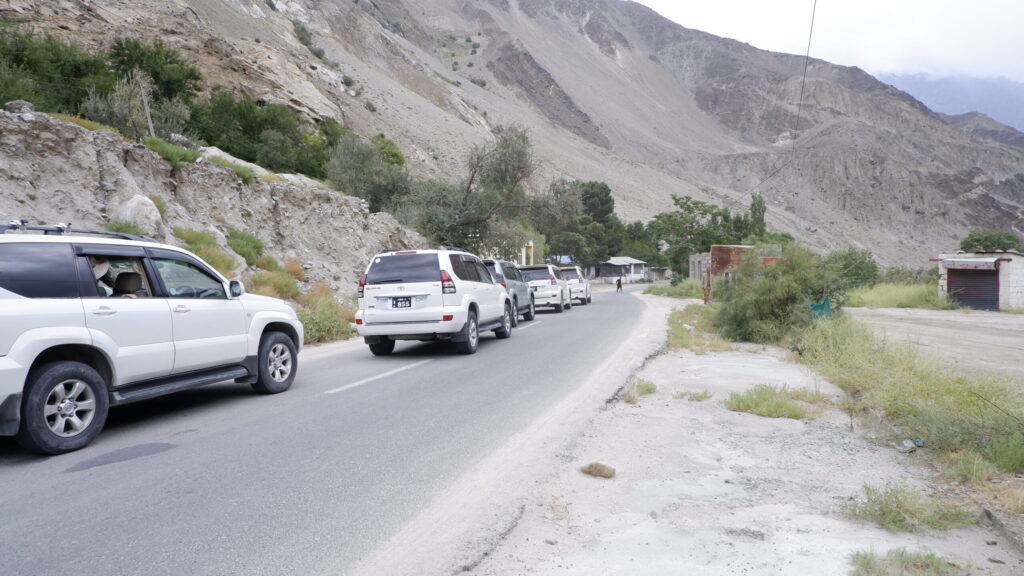
Table of Contents
What Skardu Actually Is
Before discussing safety, you need to understand what Skardu is. Most travel content describes it generically. Let me give you accurate context.
Skardu is the capital of the Baltistan region within Pakistan’s Gilgit-Baltistan territory. The city sits at 2,230m elevation in a high-altitude desert valley along the Indus River. It’s the staging point for nearly all expeditions to K2, Broad Peak, the Gasherbrums, Nanga Parbat, and Baltoro Glacier treks.
Key facts that matter for safety context:
- Population: Approximately 200,000 in the urban area
- Demographics: Predominantly Shia Muslim Balti people of Tibetan descent
- Strategic importance: Major Pakistan Army presence (Northern Areas Command)
- Tourism volume: Over 1 million visitors in 2023 according to Gilgit-Baltistan tourism data
- International airport: Skardu International Airport (KDU) with daily flights to Islamabad
- Languages: Balti (Tibetan family), Urdu, English widely understood in tourism
The presence of the Pakistan Army’s Northern Areas Command is particularly relevant for safety. Skardu is roughly 200 km from the Line of Control with India, making it a strategically protected zone. This creates an unusual situation where Skardu has more security infrastructure than most Pakistani tourist cities.
Skardu’s Unique Safety Profile
Skardu’s safety profile is distinct from both Hunza and the rest of Pakistan. Here’s what makes it different.
Strong military presence as protection. Unlike most cities where military presence indicates instability, Skardu’s army presence exists because of its proximity to the K2 region and the Line of Control. This translates to well-secured roads, active checkpoints that protect rather than threaten travelers, and rapid response capabilities for emergencies.
Tourism-economy structure. Skardu’s economy depends heavily on mountaineering and trekking tourism. Local hotels, expedition outfitters, drivers, porters, and guides all have direct financial incentive to maintain safety reputation. Word spreads in mountaineering communities and one bad incident affects everyone’s livelihood for years.
Balti cultural values. The Balti people are descended from Tibetan migrants who settled in the region centuries ago. The culture emphasizes hospitality, community responsibility, and Buddhist-influenced peaceful coexistence (despite the population being predominantly Muslim). This cultural foundation creates an atmosphere markedly different from harder-edged regions.
Geographic isolation as security. Skardu is reachable only by limited routes — flight from Islamabad, the Karakoram Highway via Gilgit, or the Skardu-Shigar road. This natural geographic filter means transient threats can’t easily reach the region.
International tourism scrutiny. Because Skardu hosts mountaineering expeditions from around the world, the regional government takes incidents extremely seriously. Any harm to a foreign expedition member becomes international news immediately. This creates strong systemic incentive for safety.
Real Crime Data for Skardu
According to Gilgit-Baltistan Police records and tourism department data, Skardu’s safety statistics are remarkable for a city of its size:
- Annual violent crime incidents: Fewer than 50 across the entire Skardu district
- Tourist-targeted crime in past 5 years: Approximately 8 reported incidents, all minor (theft, scams)
- Foreign tourist deaths or serious injuries from crime: Zero in past decade
- Mountaineering expedition fatalities (climbing-related, not crime): Tracked separately, all from mountain conditions
Compare this to comparable mountain tourism cities globally:
- Skardu (200K population): ~50 violent crimes annually
- Boulder, Colorado (108K): ~150 violent crimes annually
- Aspen, Colorado (7K seasonal influx): ~80 violent crimes annually
- Chamonix, France (9K): ~40 violent crimes annually
Skardu compares favorably to American mountain tourism cities and is comparable to European Alpine destinations.
How Skardu Differs from Hunza Safety-Wise
If you’ve read about Hunza safety, you might assume Skardu is identical. There are subtle differences worth knowing.
Skardu is more diverse. Hunza is predominantly Ismaili Muslim with very specific community values. Skardu is more religiously diverse with Shia Muslim majority, some Sunni minority, and various Buddhist heritage. This creates a slightly more cosmopolitan but less homogeneous social environment.
Skardu has more transient population. Skardu sees hundreds of thousands of domestic Pakistani tourists, mountaineering expeditions, military personnel rotations, and trade traffic. Hunza is more residential. This means Skardu has more crowd dynamics to navigate, especially in peak season.
Skardu has different night-time character. Hunza is quiet after dark. Skardu has more active nightlife with restaurants, hotels, and tourist services operating later. This isn’t unsafe but is different from Hunza’s quieter rhythm.
Skardu has more visible military. Army checkpoints, military vehicles, and uniformed personnel are more visible in Skardu than in Hunza. This is for the strategic reasons mentioned earlier and is protective rather than threatening.
Skardu’s tourism is more adventure-focused. Hunza attracts cultural tourists. Skardu attracts mountaineers, trekkers, and adventure travelers. The risk profile of accidents (climbing, glacier, altitude) is higher in Skardu but those aren’t safety-from-people issues.
Specific Skardu Safety Topics
Is Skardu Safe at Night?
Yes. The main bazaar areas, hotel districts, and Indus Valley areas are safe to walk at night. Most restaurants and tea houses operate until 10-11 PM. Solo travelers, including women, regularly walk between hotels and restaurants without issue.
What to avoid at night:
- The road to Sadpara Lake after dark (poor road conditions, not safety)
- Empty industrial areas on the city outskirts (no real reason to be there)
- Driving on the Skardu-Gilgit road late at night (road conditions and altitude, not crime)
Is the Skardu Airport Area Safe?
Yes. Skardu International Airport (KDU) is a small but professional airport with strong security. Pakistan Army presence is significant given the airport’s strategic importance. Foreign tourists clear immigration and customs without issues. Taxi services are organized and government-regulated.
The drive from Skardu Airport to the city center takes 30 minutes and passes through several checkpoints. These are standard, friendly, and tourists are typically waved through after a quick passport check.
Is the Karakoram Highway Safe Around Skardu?
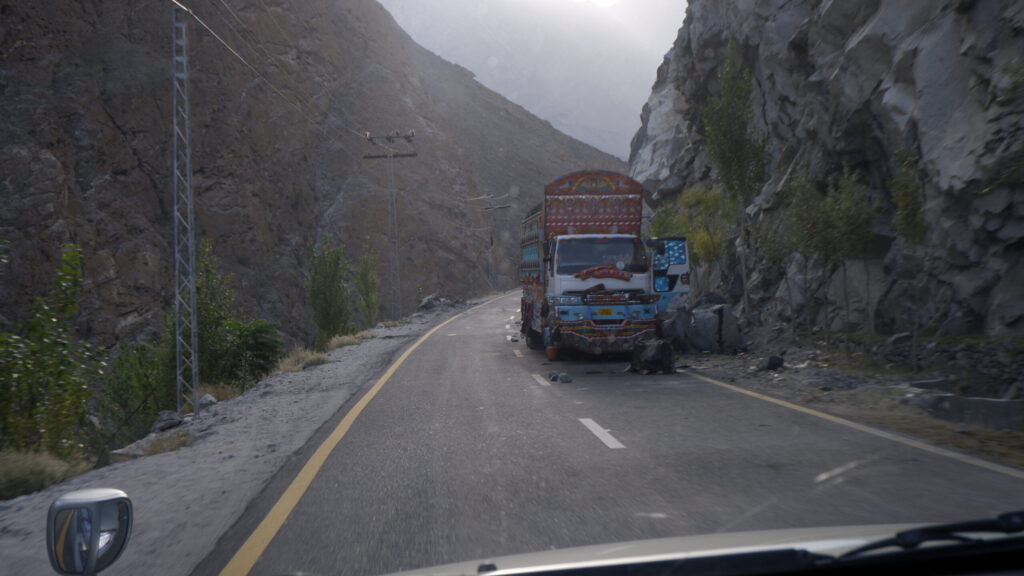
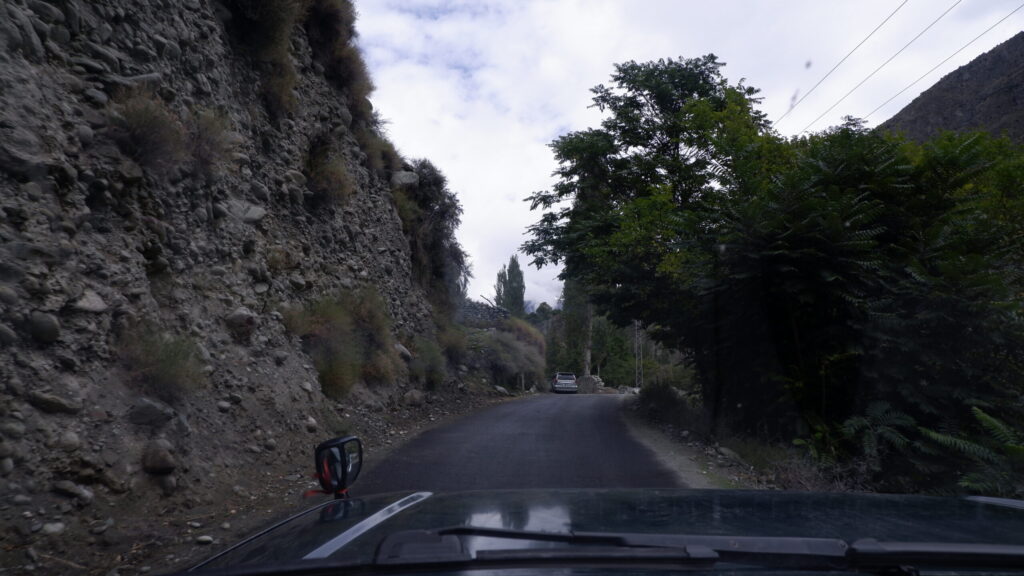
The KKH approach to Skardu (via Gilgit) and the Skardu-Shigar-Askole road are generally safe. Risks are road-condition-related rather than security-related:
- Landslides during monsoon season (August-September)
- Snow closures in winter (December-March)
- Narrow sections requiring careful driving
- Elevation changes can cause altitude effects
Always travel with experienced local drivers. Don’t rent vehicles for self-driving in this region.
Is Skardu Safe for Solo Female Travelers?
Yes, with reasonable precautions. Solo female travelers visit Skardu regularly without incident.
Specific guidance:
Dress code: More conservative than Hunza. Skardu has stronger Shia Muslim presence and traditional values. Cover shoulders, wear loose pants or long skirts, and consider a light scarf for visiting religious sites. A shalwar kameez (traditional outfit) is comfortable and helps you blend in.
Accommodations: Stay at established hotels rather than budget guesthouses. Recommended for solo female travelers:
- Shangrila Resort (legendary Skardu property)
- Serena Shigar Fort (historic luxury)
- Concordia Motel (Skardu city center)
- Mashabrum Hotel
Cultural awareness: Skardu is culturally more conservative than Karachi or Islamabad but more progressive than rural Pakistan. Local women are educated and active in tourism, but interactions follow more traditional norms than you might expect from international cities.
Photography: More restrictive than Hunza. Always ask before photographing women, religious sites, or people in traditional dress. The Balti community has stronger preferences about photography.
Is Skardu Safe for Americans?
Yes. Americans are welcomed in Skardu, often with curiosity and warm hospitality. Several factors help:
Mountaineering legacy. Americans have been climbing and trekking in Skardu since the 1950s. The legendary 1953 American K2 expedition is part of local lore. Mountaineering Americans are particularly welcomed by the community.
Strategic alliance context. Pakistan and the US have complex government relations, but at the people level, Americans are typically viewed positively. Many Skardu residents have connections to Pakistani-Americans or have hosted American expedition teams.
No history of anti-American incidents. Unlike some regions of Pakistan, Skardu has no history of anti-American demonstrations, incidents, or hostility. The region’s tourism economy and military relationships create stable conditions.
Practical American advice:
- Register with STEP before traveling
- Carry copies of passport and visa at all times (checkpoints check)
- Avoid political discussions about US foreign policy if they arise
- Be prepared for friendly curiosity and many photo requests
Real Stories from My Skardu Tours
Statistics matter, but stories paint the picture better.
Mark from Oregon (June 2025): A photographer client lost his expensive camera lens at the Skardu Polo Ground during a tournament. A local boy found it, asked spectators who had been near that spot, eventually found Mark’s hotel name from another tourist, and delivered the lens at 9 PM that evening. He refused payment, accepted only a chocolate bar.
Lisa from Boston (August 2024): Solo female trekker, 31 years old. Got separated from her tour group at the Skardu bazaar during a busy festival. A local shopkeeper named Hussain noticed her looking lost, used his phone to call hotel managers across the city until he located her group, and personally walked her back. She told me, “I’d never trust a stranger in Boston to do that. In Skardu, the entire community helped me without question.”
The Italian K2 Expedition (July 2024): A 12-person Italian climbing team experienced a vehicle breakdown 80 km from Skardu at 11 PM. Within 30 minutes, three local mechanics drove out from Skardu in their personal vehicles to help. They had the truck running by 2 AM, refused to charge expedition rates, accepted only the cost of parts. The expedition leader told me this would have been impossible in any major mountaineering region globally.
The Khaplu Polo Match (September 2025): A group of American tourists I was guiding got invited to a local polo match in Khaplu (3 hours from Skardu). What started as spectating turned into a full village dinner with the polo players. The Americans were treated as honored guests, given traditional Balti meals, and received hand-knit caps as gifts. They left at midnight with the entire village waving goodbye.
These aren’t curated stories. These are typical interactions in Skardu.
Skardu Specific Risks (Honest Assessment)
In my 9 years operating tours through Skardu, here’s what actually causes problems for visitors. Notice none are crime-related:
Altitude adjustment. Skardu sits at 2,230m. Many travelers arrive from sea-level cities and feel mild altitude effects. Hydration and rest the first day prevents this from becoming serious.
Weather flight delays. Skardu Airport is famous for flight cancellations due to weather. Flights from Islamabad cancel approximately 30% of the time during winter months. Build buffer days into your itinerary.
Karakoram Highway closures. The road between Gilgit and Skardu can close from snow, landslides, or military exercises. These closures are usually brief but can extend to 24-48 hours.
Dehydration. Skardu is high-altitude desert. The dry air and strong sun cause faster dehydration than people expect. Drink 4+ liters of water daily.
Stomach upsets from food. As anywhere in Pakistan, eat at established restaurants, drink bottled water, and give your stomach time to adjust. Severe issues affect maybe 1 in 10 first-time visitors.
Sun exposure. UV at 2,230m is intense. Sunscreen is essential, especially during glacier walking days for trekkers.
Cold at night. Even in summer, Skardu nights drop to 5-10°C. Bring layers.
The actual risk profile of Skardu is dramatically different from what Western media coverage of Pakistan suggests.
Skardu vs Other Pakistan Tourist Cities
For context comparing Skardu to other Pakistani destinations:
Skardu vs Hunza: Both extremely safe. Skardu more diverse, more military presence, more conservative dress code. Hunza more relaxed culturally. Both excellent for solo travelers.
Skardu vs Islamabad: Comparable safety levels. Skardu has fewer urban risks (theft, scams) but harder logistics. Islamabad has Western-style infrastructure but higher urban density.
Skardu vs Lahore: Lahore has higher tourist crowd density and more pickpocketing risk. Skardu has lower overall crime but more challenging logistics.
Skardu vs Karachi: Skardu is dramatically safer than Karachi. Karachi has urban crime issues that don’t exist in Skardu’s mountain environment.
Skardu vs Quetta: Quetta is in Balochistan with security concerns Skardu doesn’t have. These cities are not comparable safety-wise.
What Makes Skardu Safer Than Western Media Suggests
If you’ve read general “Pakistan safety” content, you might be surprised by Skardu’s reality. Here’s why the gap exists:
Western media covers conflicts, not Skardu. When Pakistan makes Western news, it’s typically for terrorism, political instability, or conflict in regions far from Skardu. The 1,800 km between Skardu and trouble zones rarely gets explained.
Geographic ignorance is common. Most foreign reporters covering Pakistan are based in Islamabad or Karachi. Skardu’s specific dynamics are rarely reported on individually. The result is generic “Pakistan” coverage that misrepresents specific regions.
Mountaineering context isn’t mainstream. The international mountaineering community knows Skardu well and considers it perfectly safe. But mountaineering isn’t mainstream travel content, so this perspective doesn’t reach general audiences.
Government-to-government tensions don’t reflect ground reality. US-Pakistan diplomatic complications don’t translate to interpersonal hostility in Skardu. Locals genuinely welcome foreign visitors.
Reddit and forum threads are dated. Most online safety discussions about Skardu are years old. Current conditions and infrastructure are significantly improved.
Practical Skardu Safety Checklist
Before your trip:
- [ ] Get travel insurance with high-altitude trekking coverage
- [ ] Register with US State Department’s STEP
- [ ] Inform your bank of travel to Pakistan (avoid card freezes)
- [ ] Bring USD cash backup ($300-500)
- [ ] Photocopy passport and visa (3 sets)
- [ ] Pack altitude medication (consult your doctor)
- [ ] Download offline maps of Skardu region
In Skardu:
- [ ] Save key phone numbers (hotel, guide, embassy)
- [ ] Carry passport copies (not original) in daily bag
- [ ] Drink only bottled or filtered water
- [ ] Dress modestly, especially women
- [ ] Use established hotel taxi services, not random drivers
- [ ] Don’t photograph military installations or checkpoints
- [ ] Tell hotel staff your daily plans
Emergency contacts in Skardu:
- Skardu Tourism Police: 05815-960121
- Skardu DHQ Hospital: 05815-920305
- CMH Skardu (military hospital): 05815-920567
- US Embassy Islamabad: +92-51-201-4000
- Pakistan Tourism Helpline: 1422
Should You Go to Skardu?
Yes, if:
- You want to experience the K2 region firsthand
- You’re a serious trekker, mountaineer, or photographer
- You appreciate raw, unspoiled mountain landscapes
- You can handle some logistics challenges (flight delays, road conditions)
- You want a destination most Westerners haven’t visited
- You’re prepared to dress more conservatively than in Hunza
Reconsider if:
- You require Western-style luxury infrastructure throughout
- You can’t be flexible about flight cancellations
- You’re not comfortable with high-altitude environments (2,230m+)
- You expect English-only service everywhere
My honest recommendation: Skardu is a destination that rewards travelers who do their homework. The safety reality is significantly better than headlines suggest. The cultural experience is unmatched. The mountain views from places like Shangrila Resort, Shigar Fort, and the Skardu Polo Ground are among the most spectacular in Asia. If you’re considering Skardu specifically (not just Pakistan generally), the data and ground experience strongly support visiting.
Frequently Asked Questions About Skardu Safety
Is Skardu safe to visit in 2026? Yes. Skardu remains one of Pakistan’s safest cities for tourists. Active tourism economy, strong security infrastructure, and welcoming Balti culture create a uniquely safe environment for international visitors.
Is Skardu safer than Hunza? Both are extremely safe. Skardu has slightly more military presence and stricter dress expectations. Hunza is more relaxed culturally. Crime rates are comparably low in both regions.
Is Skardu Airport safe? Yes. Skardu International Airport (KDU) is a professionally operated airport with strong security. Foreign tourists clear immigration and customs without issues. Daily flights connect to Islamabad.
Is the road to Skardu safe? Yes, with caveats. The Karakoram Highway approach to Skardu via Gilgit is generally safe but has weather-related risks (landslides, snow closures). Always use experienced local drivers, never rental cars for self-driving.
Is Skardu safe for foreign women? Yes. Solo female travelers visit Skardu regularly. Dress modestly (cover shoulders, wear long pants), stay at established hotels, and exercise standard travel awareness. Local women are educated and active in tourism.
Is Skardu safe for Americans? Yes. Americans are welcomed in Skardu. The region has no history of anti-American incidents. Mountaineering Americans particularly receive warm welcomes due to Skardu’s K2 expedition history.
Has there ever been a terrorist attack in Skardu? No major terrorist incident has affected Skardu in recent decades. The region’s geographic isolation and strong military presence have kept it secure.
Is the Pakistan Army presence in Skardu intimidating? No. The Army’s Northern Areas Command in Skardu protects the region’s strategic importance and tourism. Soldiers and checkpoints are friendly to tourists. They typically wave international visitors through after brief checks.
Should I get travel insurance for Skardu? Yes, absolutely. Get insurance with high-altitude trekking coverage (up to 6,000m for Baltoro/K2 trekkers) and helicopter evacuation. Companies like World Nomads, IMG, Global Rescue, and SafetyWing cover Pakistan and high-altitude travel.
Can I trust local guides and drivers in Skardu? Generally yes, but use established operators rather than approaching strangers. Government-licensed tour operators (look for license number) and recommended guides have strong professional accountability. Hotel-arranged services are reliable.
What’s the worst that could happen in Skardu? Realistically: flight cancellation extending your trip by a day or two, mild altitude headache, food poisoning from one bad meal, or a road closure delaying travel. Crime against foreign tourists is genuinely rare in my decade of operating tours here.
Is Skardu safe during Ramadan? Yes. Most restaurants serve tourists during Ramadan but with reduced visibility (some close during daylight). Be respectful by not eating publicly during fasting hours. The atmosphere is more subdued but completely safe.
Are Skardu hotels safe? Established hotels (Serena, Shangrila, Concordia, Mashabrum) have professional security and are very safe. Budget guesthouses are generally safe but offer fewer amenities. Always book in advance during peak season (June-September).
About the Author: Karim Khan is a government-licensed Pakistani tour operator and lead guide at The Vacation Project. Born in Hunza Valley, he has operated tours through Skardu and the Baltistan region since 2017, leading K2 Base Camp expeditions, Baltoro Glacier treks, and cultural tours. He has hosted over 300 international clients across northern Pakistan with no major safety incidents in nine years of operations. Contact: info@thevacationproject.co
Last updated: April 2026