Fact checked by: Bilal Shah. Written by: Karim Khan. Last Update: April 2026
Quick answer: American citizens need an e-visa to travel to Pakistan in 2026. The Pakistan tourist visa costs $60 USD for US citizens, processing takes 7-10 business days, and you apply entirely online through the NADRA portal at visa.nadra.gov.pk. Visa on Arrival for US citizens was suspended in January 2026.
I’m Karim Khan, a licensed tour operator based in Hunza, Pakistan. I run Pakistan tours for The Vacation Project, and over the past nine years I’ve walked more than 200 American travelers through the Pakistan visa process. I’ve seen every mistake possible, every delay excuse, and every small detail that trips Americans up. So I think I should help others and make a complete guide on acquiring the Pakistan visa for US citizens.
This isn’t a copy-paste of the official government website. This is what actually happens, including the things the government won’t tell you and the mistakes my American guests have made that cost them weeks of stress.
Let me tell you exactly what to do.
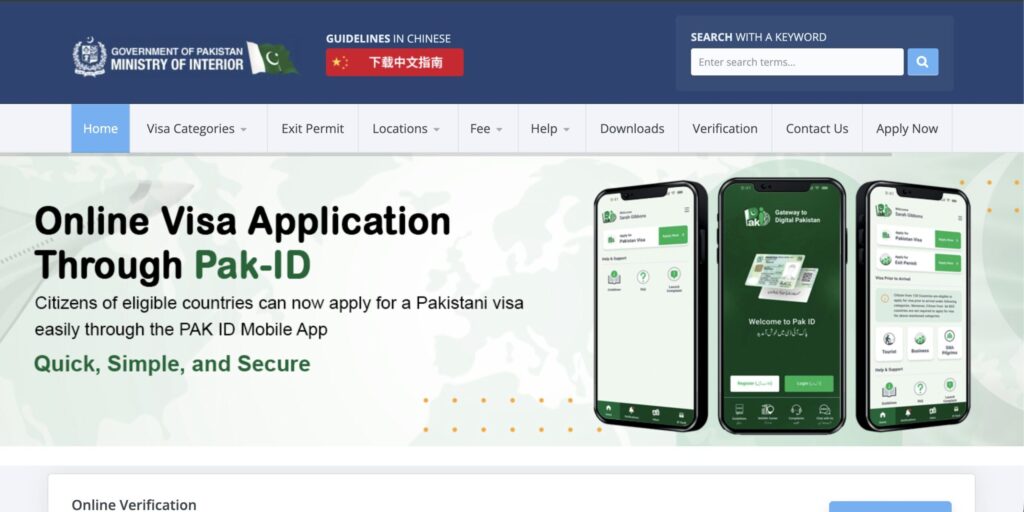
Table of Contents
The Two Types of Pakistan Visas Americans Should Apply For
Before anything else, understand which visa you actually need. This is where most Americans waste time.
Tourist Visa (Visit Visa Category 01): This is what 95% of American tourists need. It allows you to visit Pakistan for tourism, sightseeing, and cultural exploration. Valid for either 30 days, 90 days, or up to 5 years depending on what you apply for. Single-entry and multiple-entry options exist.
Business Visa: Only needed if you’re traveling for actual business meetings, conferences, or commercial activities. Requires an invitation letter from a Pakistani company. If you’re a content creator, YouTuber, or travel blogger, you technically need a journalism visa, but most apply for tourist visas without issues.
What Americans get wrong: I had a guest last year, a photographer from Oregon named David, who applied for a business visa because he was going to take photos for a client. His application was rejected because he didn’t have a Pakistani sponsor. He ended up applying for a tourist visa instead and got it approved in 6 days. Lesson: if you’re traveling primarily for leisure and happen to have a hobby or side project, apply for a tourist visa.
Pakistan Visa Cost for US Citizens in 2026
Here’s the complete cost breakdown:
30-day single-entry tourist visa: $60 USD 90-day single-entry tourist visa: $60 USD 1-year multiple-entry tourist visa: $100 USD 5-year multiple-entry tourist visa: $200 USD
These are the official fees paid directly through the NADRA portal. You pay online with a Visa, Mastercard, or American Express credit card.
Hidden costs nobody tells you about:
Processing fees from third-party visa agents can add $50-150 on top of the government fee. These agents are completely unnecessary. The NADRA portal is in English and straightforward. Don’t pay agents.
Some banks charge a foreign transaction fee of 2-3% on the $60 payment. Use a credit card with no foreign transaction fees if you have one.
If you need to expedite your visa, official fast-track processing doesn’t exist for Americans. What some travelers do is apply for a shorter-validity visa (which processes slightly faster) or ensure their application is bulletproof so it’s approved on first review.
How to Apply for a Pakistan Visa as an American: Step-by-Step
This is the actual process I walk my American guests through. Print this section or save it.
Step 1: Go to visa.nadra.gov.pk
Not the .com version. Not any other site. Scammers have created lookalike sites that charge you $150-200 for something that costs $60. The only legitimate Pakistan visa website is visa.nadra.gov.pk.
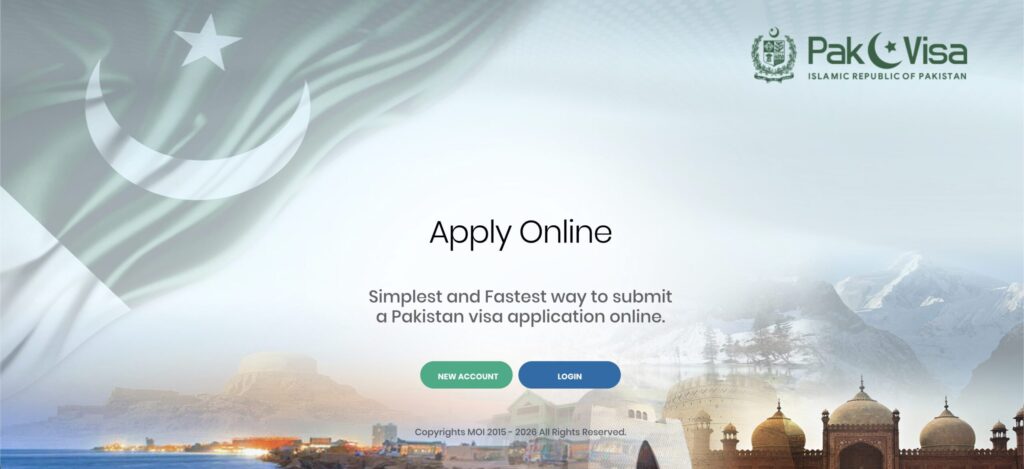
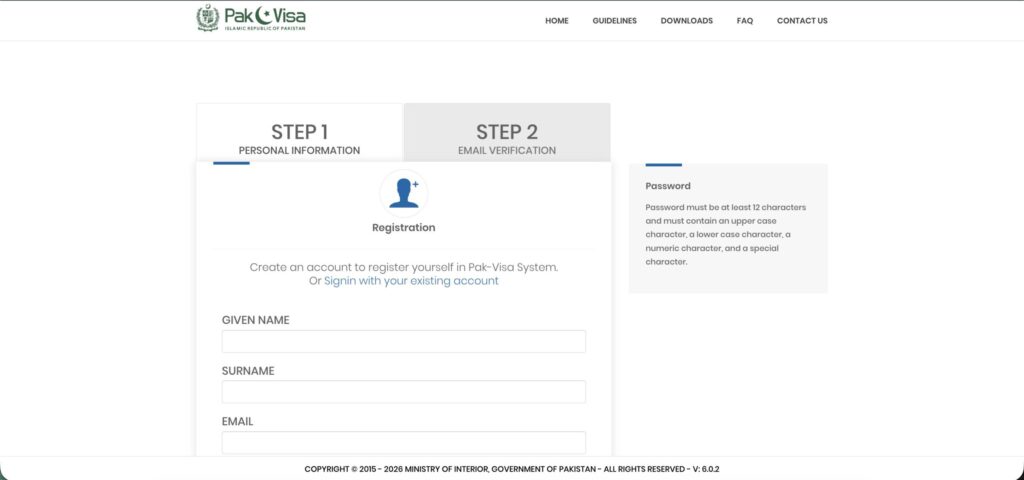
Step 2: Create an account
You’ll need a valid email address. Use one you check daily because all communication happens here. I’ve seen Americans miss follow-up requests because they used an old email address.
Step 3: Select “New Visa Application”
Choose “Tourist Visa” and your passport country (USA).
Step 4: Fill out the personal information
This is straightforward but pay attention to:
- Name spelling: Must match your passport exactly. Including middle names if they’re on your passport.
- Passport expiry: Your passport must be valid for at least 6 months beyond your intended stay. If yours expires in 5 months, renew first.
- Purpose of visit: Select “Tourism.” If you select “Visit Friends/Family,” you’ll need an invitation letter from someone in Pakistan.
- Duration of stay: Be realistic. Don’t say 90 days if you’re only coming for 10.
Step 5: Upload required documents
This is where applications get delayed. Here’s what you need:
- Clear color scan of your passport bio page (the page with your photo)
- Recent passport-sized photo with white background (2×2 inches)
- Proof of accommodation (hotel bookings or tour operator invitation letter)
- Proof of return travel (flight ticket or itinerary)
- Bank statement from the last 3 months (not mandatory but speeds up approval)
Step 6: Pay the fee
$60 USD by credit card. Payment is processed immediately.
Step 7: Submit and wait
You’ll get a confirmation email with a reference number. Processing typically takes 7-10 business days.
Step 8: Download and print your e-visa
Once approved, you’ll receive an email with your visa attached as a PDF. Print multiple copies. You’ll need one at immigration, one for your hotel check-in, and a backup in case you lose the first two.
Pakistan Visa Comparison Table
| Visa Type | Cost (USD) | Validity | Processing Time | Best For |
|---|---|---|---|---|
| 30-day Single Entry | $60 | 30 days | 7-10 days | Short tours (Hunza, Lahore) |
| 90-day Single Entry | $60 | 90 days | 7-10 days | Extended trips, multiple regions |
| 1-year Multiple Entry | $100 | 1 year | 10-14 days | Frequent travelers |
| 5-year Multiple Entry | $200 | 5 years | 14-21 days | Repeat visitors |
How Long Does a Pakistan Visa Take for Americans?
Officially: 7-10 business days.
What actually happens based on my experience:
- Applications submitted with complete documentation: 5-7 business days
- Applications with missing or unclear documents: 2-3 weeks with back-and-forth
- Applications during Ramadan or major Pakistani holidays: Add 5-7 business days
- Applications during peak tourism season (April and October): Processing can extend to 10-14 days
I had a guest from Texas named Jennifer who applied for her visa in early April 2025. It was approved in 4 days. Another guest, David from Michigan, applied in late May during a government reshuffle and waited 16 days. The system isn’t always predictable.
My rule: apply at least 30 days before your trip. This gives you a buffer if anything goes wrong.
The Hotel Booking and Invitation Letter Problem
Here’s something Americans consistently get wrong.
When you apply for a Pakistan visa, you need proof of accommodation. This is where the process gets confusing because NADRA accepts two options:
Option 1: Hotel bookings for your entire stay. This means booking every single night through platforms like Booking.com or directly with hotels. Many Americans do this, then cancel the bookings after getting their visa. This is technically fraud and NADRA has started checking.
Option 2: An invitation letter from a Pakistani tour operator or sponsor. If you’re booking a tour, your operator provides this letter. It covers your entire stay and is considered the gold standard of accommodation proof.
Why the invitation letter works better: NADRA processes visas with invitation letters significantly faster because they can verify the sponsor through the Pakistani Ministry of Tourism database. My company’s invitation letters, for example, are recognized by NADRA and typically result in approvals within 5 business days.
If you’re planning to book a Pakistan tour, ask your operator for an invitation letter before you apply for your visa. This single document can save you a week of processing time.
What Americans Need to Know About the Visa Interview (You Don’t Need One)
Unlike applying for visas to Russia, China, or some Middle Eastern countries, Pakistan does not require an in-person visa interview for American tourists. The entire process is online.
This surprises Americans because they often assume Pakistan has strict visa procedures. The reality is the opposite. Pakistan has actively liberalized its tourist visa process since 2019 to encourage tourism. American citizens receive some of the most straightforward visa treatment available.
What this means practically:
- No trip to the Pakistani embassy in Washington DC required
- No FedExing your passport to a consulate
- No waiting in line at a visa application center
- Everything happens from your laptop
The one exception: if your application has issues (unclear documents, mismatched information), you may be asked to visit the Pakistani embassy in Washington DC or the consulates in New York, Houston, Los Angeles, or Chicago for document verification. This happens in less than 5% of applications.
The Single Biggest Mistake Americans Make on Their Application
I’m going to tell you the one mistake that has caused more delays for my American guests than any other.
Applying without complete flight itineraries.
Americans often apply for their Pakistan visa before booking their flights because they want to know they can enter the country before committing to expensive tickets. This is backward. NADRA wants to see that you have actual travel plans, and “I’m planning to visit in June” isn’t specific enough.
The workaround: Most airlines (including Emirates, Qatar Airways, and Turkish Airlines) allow you to book a refundable ticket or hold a reservation for 24-48 hours. Book a flight, use the confirmation for your visa application, then decide whether to keep or cancel the booking based on your visa result.
Another option: your tour operator can issue a travel intent letter that functions as proof of planned travel. This is legitimate and accepted by NADRA.
What If Your Pakistan Visa Is Denied?
This happens rarely to Americans, but when it does, here’s what to know.
Common rejection reasons for Americans:
- Passport validity insufficient (less than 6 months beyond travel dates)
- Unclear or illegible document scans
- Inconsistent information between application and supporting documents
- Previous visa overstays in other countries (this shows up in background checks)
- Incomplete travel itinerary
If denied, you can reapply immediately. There’s no waiting period. Fix the issue that caused the denial, submit a new application, pay the $60 again, and wait for processing.
In my nine years of guiding Americans, I’ve seen exactly three visa denials. All three were due to incomplete documentation, not political or security reasons. All three reapplied and were approved within two weeks.
The Extended Tourist Visa That Most Americans Don’t Know About
Here’s something worth knowing: if you fall in love with Pakistan during your visit (and you will), you can extend your stay without leaving the country.
Extension process:
- Apply through the online portal at least 15 days before your visa expires
- Pay an extension fee (currently $50)
- Provide a reason for extension (additional tourism, medical, business opportunity)
- Extensions of 30-90 days are commonly granted
I had a guest from Colorado named Sarah who originally booked an 8-day Hunza tour in 2024. She extended her visa twice and ended up staying 11 weeks. She learned basic Urdu, spent a month in Skardu teaching English at a local school, and is now planning to return for 6 months in 2026.
This happens more often than you’d think. Pakistan has a way of changing travel plans.
A Specific Warning About Visa Agents and Websites
Let me be direct about this because Americans lose real money here.
Search Google for “Pakistan visa” and you’ll find dozens of commercial sites offering to “handle” your visa application for fees ranging from $150 to $400. Some look like official government sites. They’re not.
Sites to avoid:
- Any site that isn’t visa.nadra.gov.pk
- Sites with URLs like “pakistan-visa.com” or “pakistanevisa.org”
- Facebook agents offering to “expedite” visas
- Travel agents in the US claiming special relationships with Pakistani authorities
What these services actually do: They fill out the same online form you would, submit it through the official portal, and charge you a premium. They have no special relationship with NADRA. They cannot expedite your visa. They’re middlemen adding cost to a free-to-apply process.
The only legitimate exception: some tour operators in Pakistan (including mine) handle visa applications for guests as part of their service. This is done at cost, not as a profit center, and is included with the tour package.
What to Do the Day Your Visa Is Approved
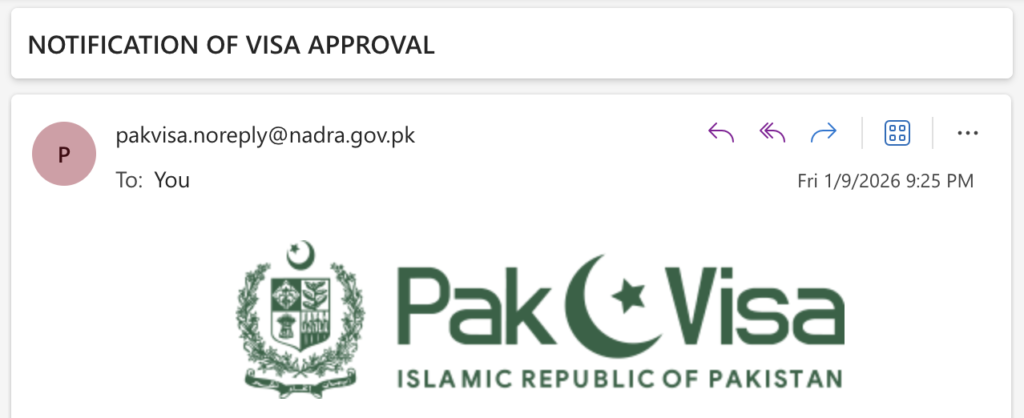
When you get the approval email, do these things immediately:
1. Download your visa PDF and check every detail.
- Name spelling matches your passport exactly
- Date of birth is correct
- Passport number matches
- Validity dates cover your entire planned trip
- Single-entry vs multi-entry matches what you applied for
Errors happen. I’ve seen passport numbers transposed and names misspelled. Report errors immediately through the NADRA portal to get a corrected visa issued.
2. Print multiple copies.
You need one for immigration in Pakistan, one for your hotel check-in, and one backup. Also email the PDF to yourself and save it to your phone’s files app.
3. Forward the approval to your tour operator or accommodation.
This helps them coordinate your arrival.
4. Book any remaining travel arrangements.
Domestic flights within Pakistan, hotel confirmations, and ground transport can now be finalized.
5. Don’t get complacent about passport validity.
If your passport expires within 6 months of your travel dates, Pakistani immigration can deny entry even with a valid visa. Renew your passport first if you’re close to the window.
Something Nobody Talks About: What Happens at Islamabad Immigration
Your visa approves you to fly to Pakistan, but the final decision to let you in happens at Islamabad immigration. Here’s what to expect.
The process:
- You’ll be directed to the foreigner immigration counter
- The officer will review your printed visa, passport, and boarding pass
- They’ll ask basic questions: where you’re staying, how long you’re visiting, what you’re doing
- They’ll stamp your passport and you’re done
The whole process takes 3-7 minutes for well-prepared travelers.
What to have ready:
- Printed e-visa (not just on your phone)
- Passport (obviously)
- Hotel booking or invitation letter
- Return flight itinerary
What NOT to do:
- Act nervous. The officers are trained to read body language.
- Give vague answers. “I’m going to Hunza to stay at the Hunza Serena from the 15th to the 22nd” is better than “I’m going somewhere in the north.”
- Argue about anything. If there’s a problem, remain calm and ask to speak with a supervisor.
I had a guest from Boston named Mike who almost got denied entry because he answered “I don’t know yet” when asked about his accommodation plans. He had booked everything but didn’t want to pull out his phone and scroll through emails. The officer took this as suspicious. Mike was sent to secondary inspection for 30 minutes before being cleared. Don’t be Mike. Have your details ready.
A Real 2026 Case Study: How One American Applied and Got Approved
Let me walk you through an actual approval timeline so you know what to expect.
Rebecca, a marketing director from Atlanta, applied for her Pakistan tourist visa on March 3, 2026. She was planning an 8-day Hunza Valley tour scheduled for April 15-23, 2026. Here’s exactly what she did:
- March 3: Booked a refundable Qatar Airways flight (Atlanta to Islamabad via Doha)
- March 3: Requested an invitation letter from her tour operator (received within 4 hours)
- March 4: Created her account on visa.nadra.gov.pk
- March 4: Uploaded her passport scan, photo, invitation letter, and flight itinerary
- March 4: Paid $60 by Visa credit card
- March 9: Received an email asking for a clearer scan of her passport bio page
- March 10: Uploaded the corrected scan
- March 12: Received approval email with e-visa PDF attached
- April 15: Cleared immigration in Islamabad in 4 minutes
Total time from application to approval: 8 business days. Total cost: $60 visa fee + $0 invitation letter (included with tour).
This is what a smooth application looks like. Notice the one document issue mid-process — that’s normal. Don’t panic if NADRA asks for a corrected document.
Pakistan Visa vs Other Asian Country Visas: How Americans Compare
Americans considering Pakistan often compare it to other South and Central Asian destinations. Here’s how the visa processes stack up in 2026:
Pakistan vs India: Pakistan’s e-visa system is simpler and faster than India’s. India costs $25-100 depending on visa type but requires more detailed documentation and can take 5-15 business days. Pakistan’s process has fewer steps overall.
Pakistan vs Iran: Iran requires an authorization code from the Ministry of Foreign Affairs before you can apply, adding 2-3 weeks to the process. Pakistan has no such pre-approval requirement.
Pakistan vs Uzbekistan: Uzbekistan offers visa-free entry for Americans for 30 days, making it easier to access. However, Pakistan’s tourist infrastructure for Americans is more developed.
Pakistan vs Tajikistan: Tajikistan offers e-visa for $50 with similar processing times, but the application requires more detailed itineraries for the GBAO permit needed for the Pamirs.
Bottom line: Pakistan’s visa process for Americans in 2026 is among the easiest in the region. The only paperwork-friendlier option is countries with visa-free access like Uzbekistan or Kazakhstan.
Visa-Related Questions Americans Ask Me Constantly
“Can I get a visa on arrival?”
No. Visa on Arrival for US citizens was suspended in January 2026. You must apply online before traveling.
“My passport has an Israeli stamp. Will that affect my Pakistan visa?”
No, this won’t affect your application. Pakistan doesn’t recognize Israel but doesn’t screen passports for Israeli stamps during visa processing.
“I have Pakistani heritage. Do I need a visa?”
If you hold a Pakistan Origin Card (POC) or National ID Card for Overseas Pakistanis (NICOP), you don’t need a visa. Otherwise, yes, you need a standard tourist visa.
“Can I visit Pakistan on a layover without a visa?”
Transit passengers staying in the airport’s international transit area don’t need a visa. If you want to leave the airport, even briefly, you need a tourist visa.
“How strict is Pakistan about the purpose of visit?”
Moderately strict. If you apply as a tourist but clearly do something else (paid work, journalism for a commercial outlet), you can have problems on exit or on future applications. Stick to legitimate tourism activities.
“Can I work remotely while on a tourist visa?”
Technically no, but in practice this isn’t enforced for Americans doing remote work that doesn’t involve Pakistani clients or businesses. Digital nomads on tourist visas are common in Hunza.
The Visa Situation for Americans With Prior Travel to Restricted Countries
This is a question that comes up more than you’d expect.
Travel to Iran, Afghanistan, or Iraq: Doesn’t automatically affect your Pakistan visa but may trigger additional scrutiny. Be prepared to explain the purpose of those trips briefly.
Prior work or residence in China or Russia: Not an issue.
Prior visa refusals from any country: You must disclose this on your Pakistan application. Not disclosing can result in permanent denial. Being upfront almost always results in approval, especially if the prior denial was for a routine reason.
Dual citizenship with a country on Pakistan’s restricted list: Most dual citizens can use their US passport without issues. Pakistan is particularly welcoming to dual nationals of Western countries.
Types of Pakistan Visas
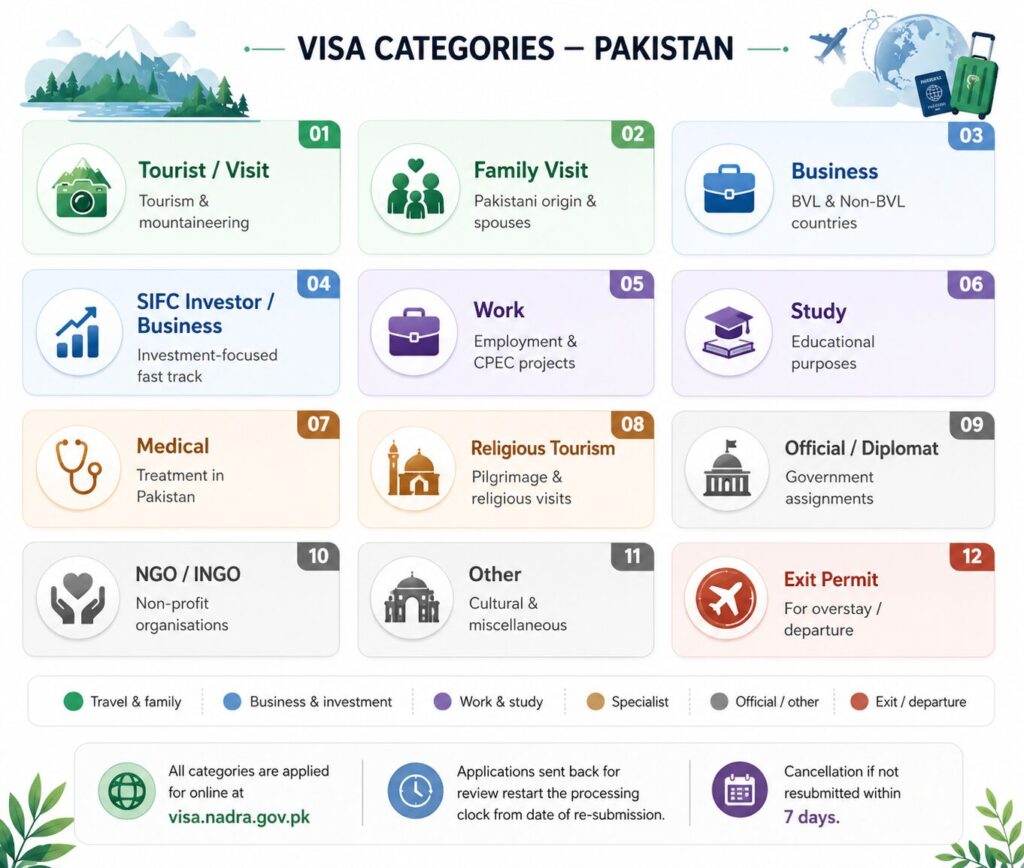
1. Tourist / Visit Visa
The Tourist Visa is for foreigners who want to explore Pakistan for leisure. There are two sub-categories: a general Tourist Visa and a Mountaineering & Trekking Visa for those looking to tackle Pakistan’s legendary peaks and trails.
Tourist Visa allows a single entry for up to 3 months. Citizens of GCC countries don’t need a visa at all. If you already hold a valid Pakistani visa and are residing in Pakistan, you can apply for an extension of up to 6 months (multiple entry) or beyond. Processing typically takes 7–10 working days, though Afghanistan and Somalia passport holders should allow 4 weeks. Required documents are minimal: a valid passport, a photograph, and hotel booking details.
Mountaineering & Trekking Visa is open to nationals of 192 countries. You apply under the specific mountain or trek you intend to visit (lists are available on the portal). A sponsor letter from a tour operator authorised by Pakistan’s Department of Tourist Services (DTS) is mandatory. This visa takes around 4 weeks to process, and importantly, a separate Royalty Fee is payable upon arrival in Pakistan — it is not included in the online application fee.
2. Family Visit Visa
This visa is designed for foreign citizens of Pakistani origin and their spouses. It grants a stay of up to 1 year per entry, with the visa itself valid for up to 5 years. Extensions are available for up to 2 years for Pakistani-origin holders, or on a yearly basis for others.
There is also a sub-category for Travel/Asylum/Temporary Document Holders — those who hold travel or asylum documents rather than a regular passport. This is a single-entry visa for up to 30 days only, with no extension available. Processing takes around 4 weeks.
Key documents include proof of Pakistani origin (such as a POC card, CNIC/NICOP, birth certificate, or marriage certificate). Afghan-origin applicants should note they should only apply under this category if their spouse is Pakistani.
3. Business Visa
Pakistan offers several business-focused visa types, all requiring an E-Business Invitation Letter obtained through Pakistan’s official invitation letter system before applying.
Standard Business Visa: Available to nationals of Business Visa List (BVL) and Non-BVL countries. BVL country nationals enjoy fast 24-hour processing and can receive a 5-year multiple-entry visa. Non-BVL nationals face a 4-week wait. The visa can be granted for up to 5 years with multiple entries. Applicants need proof of company registration, plus a recommendation or invitation letter from a recognised trade body.
Business Investor Visa: For those intending to invest in Pakistan. Short-term options cover 1-year and 3-year multiple-entry visas, while a long-term 5-year visa requires proof of substantial investment — such as real estate ownership worth over USD 100,000, or company/partnership investment of at least USD 50,000. BVL nationals get 24-hour processing for short-term options; non-BVL nationals wait 4 weeks.
CPEC Business Visa: Exclusively for Chinese nationals whose business relates to China-Pakistan Economic Corridor (CPEC) projects. Processing is 24 hours for first-time entry, with a 5-year multiple-entry visa on offer.
4. SIFC Investor / Business Visa
The Special Investment Facilitation Council (SIFC) visa is a dedicated fast-track category for foreign nationals intending to invest or conduct business in Pakistan under the SIFC framework. An invitation or recommendation letter from SIFC is the key required document, applied for at sifc.gov.pk/e-visa.
There are two types:
SIFC Investor Visa offers a 3-year short-term option (processed in 24 hours for BVL countries), a 5-year long-term option (10 days for BVL, 4 weeks for non-BVL), and a 2-year extension. All are multiple-entry.
SIFC Business Visa includes a short-term 6-month single-entry option (which can be an ETA — Electronic Travel Authorization — for BVL nationals, valid 90 days and processed in 24 hours with the actual visa granted on arrival) and a long-term 5-year visa valid for 2-year stays, multiple entry. BVL nationals get 24-hour processing for most options.
5. Work Visas
Pakistan offers several work visa sub-categories depending on the nature of employment:
Work – General Visa is for foreign nationals with a valid job offer from a company registered with Pakistan’s Securities and Exchange Commission (SECP) or a single-person employer. It grants a 2-year multiple-entry visa (both entry and extension). Processing takes around 4 weeks. The Board of Investment (BOI) provides further requirements and guidance.
CPEC Work Visa is for Chinese nationals working on CPEC projects. First-time entry is processed in just 48 hours, while extensions take 4 weeks. The visa covers up to 2 years, single or multiple entries.
Journalist Visa is valid for Islamabad, Lahore, and Karachi. Accredited journalists based in Pakistan receive a visa for the full tenure of their assignment; non-Pakistan-based journalists get 3 months or more, subject to approval. A letter from the media agency and a recommendation from the Ministry of Information or the Pakistani Mission abroad are required.
Domestic Aide Visa is available to foreign domestic workers under the sponsorship of their employer. It requires a contract agreement attested by the relevant embassy and an NOC. The visa is granted for up to 2 years and is extendable by another 2 years. Processing takes 4 weeks.
Transit / Transport Visa applies to drivers and transporters from ECO member countries (Afghanistan, Azerbaijan, Iran, Kazakhstan, Kyrgyzstan, Tajikistan, Turkey, Turkmenistan, Uzbekistan, and China). It offers 6-month multiple-entry validity and is processed in just 24 hours. Applicants need a valid driving license and an employment letter from a registered transport company.
6. Study Visa
The Study Visa is for foreign nationals travelling to Pakistan for educational purposes. Specific requirements and eligibility criteria are outlined on the portal.
7. Medical Visa
For those seeking medical treatment in Pakistan. The portal includes a List of Hospitals to help applicants identify approved treatment facilities.
8. Religious Tourism Vis
Pakistan’s Sikh, Hindu, and other religious heritage sites attract pilgrims and visitors from around the world. This visa category is specifically for religious tourism purposes.
9. Official / Diplomat Visa
For foreign nationals travelling to Pakistan on official government assignments or in a diplomatic capacity.
10. NGO / INGO Visa
For individuals intending to work in Pakistan for a non-governmental or international non-governmental organisation.
11. Other Visas
This catch-all category covers travel to Pakistan for cultural activities and other purposes not covered by the categories above.
Important Things to Know for All Visa Types
A few rules apply across every category on the portal. If your application is sent back for review, the processing clock resets from the date you re-submit — not from your original submission date. If you fail to re-submit within 7 days of being notified, your application is automatically cancelled. Visa issuance is ultimately at the discretion of the Government of Pakistan regardless of category. All applications — entry and extension — are submitted online through the NADRA portal.
My Final Advice to Americans Applying for a Pakistan Visa
After processing hundreds of visas for American guests over nine years, here’s what I tell everyone:
Start early. Begin the application at least 30 days before your trip. Longer if you’re traveling in April or October.
Use the official website only. visa.nadra.gov.pk. Nothing else.
Get an invitation letter from your tour operator. It’s the single most effective way to speed up approval.
Have complete, high-quality document scans ready before you start. Passport, photo, accommodation proof, flight itinerary.
Apply with a specific, realistic itinerary. “I’m going to Hunza for 8 days in June” gets approved faster than vague plans.
Don’t panic if processing takes longer than expected. The system has occasional delays. As long as you applied 30+ days early, you have buffer time.
Print multiple copies of your approved visa. Don’t rely on your phone at immigration.
Bring supporting documents to Pakistan with you. Even after approval, having your bookings and itinerary on hand at immigration prevents problems.
The Pakistan visa process for Americans is genuinely straightforward in 2026. The government wants you to come. Tour operators like me are set up to help. The only thing that slows people down is incomplete preparation.
If you’ve read this far, you know more about the Pakistan visa process than 95% of Americans who apply. You’ll have no issues.
About the Author: Karim Khan is a licensed tour operator based in Hunza, Pakistan, and the lead guide at The Vacation Project. He has guided international travelers through Pakistan for many years. For personalized travel advice or to book a Pakistan tour, contact info@thevacationproject.co.
Last updated: April 2026