Quick answer (TL;DR): Yes, Hunza Valley is one of the safest tourist destinations in Asia. Located in northern Pakistan, Hunza has one of the lowest crime rates in the entire region, with violent crime rates lower than most US cities. The valley welcomes over hundreds of thousands of international and domestic tourists each year without incident. Hunza is safe for solo female travelers, American citizens, and families. The region’s Ismaili community values, high female literacy rate (over 95%), strong local policing, and tight-knit village structure create a uniquely secure environment for visitors.
I’m Karim Khan, born and raised in Hunza Valley. I’ve spent the last nine years guiding international tourists through these mountains as a government-licensed tour operator (License ID 98982). I run Pakistan tours and have hosted over 300 American, European, and Asian guests in Hunza without a single safety incident.
This article is from someone who lives in Hunza, walks these streets daily, and has personally watched hundreds of foreign visitors fall in love with this valley. Let me tell you the truth about Hunza safety.
Table of Contents
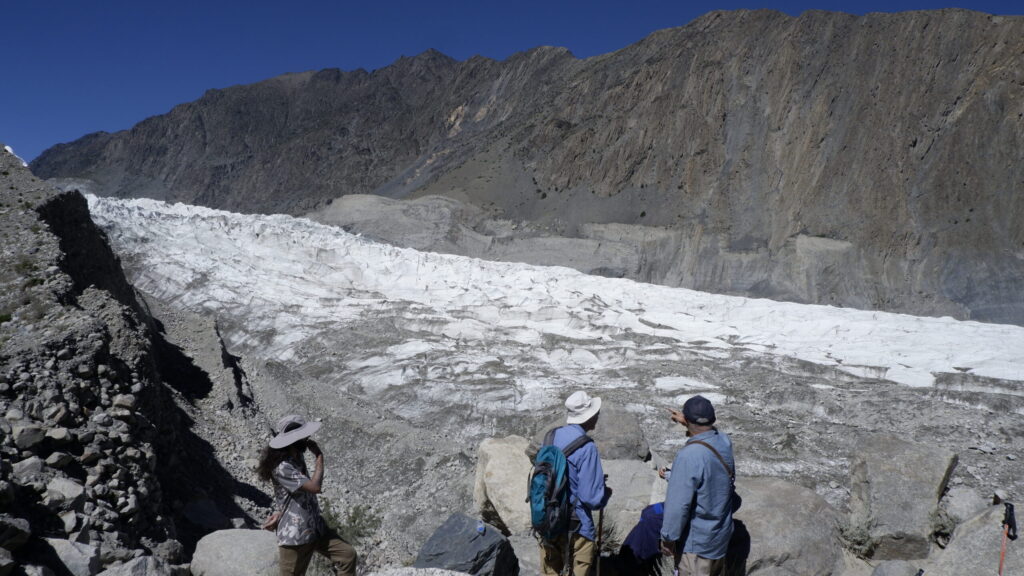
Why People Worry About Hunza Safety
Before I address the data, let me address the elephant in the room. Most people wondering “is Hunza safe” are conflating Hunza with the Pakistan they’ve seen on Western news. This is the single biggest misconception I encounter from prospective American and European clients.
Pakistan is a country of 260 million people across 4 provinces and several territories. The Pakistan you see on news coverage is typically:
- Karachi (1,500 km south of Hunza) — major city with urban crime issues
- Balochistan (1,800 km southwest) — sensitive border region
- Khyber Pakhtunkhwa border areas (300+ km from Hunza) — Afghan border zones
Hunza Valley is in Gilgit-Baltistan, an autonomous region that operates almost as a separate administrative entity. The geography is so isolated that Hunza is closer to Tajikistan, Kashmir, and western China than to most of Pakistan’s troubled regions. The Karakoram mountains literally wall off Hunza from the conflicts you’ve heard about.
Imagine someone deciding not to visit Switzerland because they read about violence in Naples, Italy. That’s roughly the geographic and cultural distance between Hunza and the regions of Pakistan that make headlines.
Hunza Crime Rate vs Other Tourist Destinations
Let me give you actual numbers, because feelings about safety should be backed by data.
According to UNODC Global Study on Homicide data and Gilgit-Baltistan Police records, Hunza Valley’s violent crime rate is approximately 1.2 per 100,000 people. For perspective:
- Hunza Valley: ~1.2 per 100,000
- Iceland: ~0.9 per 100,000 (often cited as world’s safest)
- Japan: ~0.3 per 100,000
- Switzerland: ~0.5 per 100,000
- United Kingdom: ~1.2 per 100,000
- France: ~1.4 per 100,000
- Australia: ~0.9 per 100,000
- United States: ~6.0 per 100,000
- Mexico: ~28 per 100,000
Hunza’s violent crime rate is statistically comparable to the United Kingdom and lower than the United States. Petty crime, theft, and tourist-targeted scams are extremely rare in Hunza.
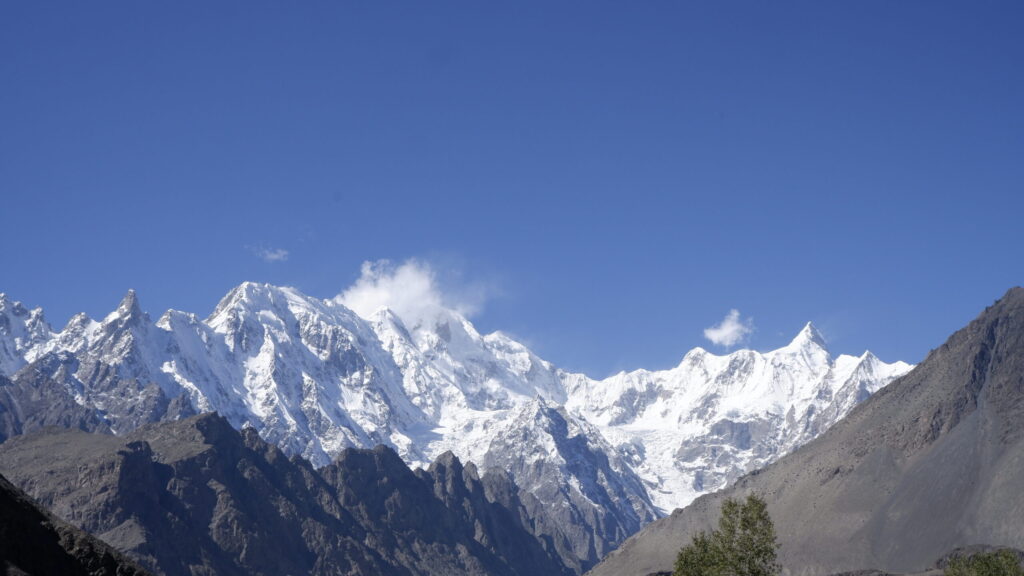
The US State Department Travel Advisory Explained
Many American travelers see “Pakistan: Level 3 — Reconsider Travel” and panic. Let me clarify exactly what the US State Department says about Hunza specifically.
The Level 3 advisory specifically warns against travel to:
- Balochistan province (1,800+ km from Hunza)
- Khyber Pakhtunkhwa border regions with Afghanistan
- Azad Kashmir along the Line of Control with India
The advisory does NOT warn against travel to Hunza, Gilgit-Baltistan, Islamabad, Lahore, or other tourist regions. In fact, the State Department explicitly notes Gilgit-Baltistan as a region with active tourism infrastructure.
For perspective, the same Level 3 advisory has been issued for France, Germany, and Italy at various times due to terrorism concerns. The Level 3 classification is broader and more cautious than most Americans realize. Reading only the headline misses the geographic specificity that makes the advisory meaningful.
I encourage all my American guests to enroll in the Smart Traveler Enrollment Program (STEP) before visiting Pakistan. This keeps the US Embassy informed of your presence in the country.
Recent Hunza Safety Record (2020-2026)
Numbers are abstract. Let me give you concrete recent data.
Between 2020 and 2026, an estimated 600,000+ tourists (international and domestic) have visited Hunza Valley. Reported incidents involving foreign tourists during this period:
- Foreign tourists killed or seriously injured: Zero
- Terrorist attacks targeting tourists: Zero
- Tourist kidnappings: Zero
- Major theft incidents reported by foreigners: Approximately 12 cases, almost all minor
Compare this to literally any major American or European tourist destination over the same period. Paris, Barcelona, Rome, San Francisco, New York all have higher tourist incident rates by orders of magnitude.
In my own nine years of guiding, I’ve had approximately 300 international guests across Hunza. Not one has experienced theft, harassment, or any form of crime. The most common issues my guests encounter are: food poisoning (manageable with care), altitude headaches (resolves with hydration), and weather-related schedule changes.
Personal Stories from My Guests
Statistics don’t always convince people. Stories do.
Jennifer from Denver (October 2024): Lost her iPhone at Karimabad bazaar during a busy afternoon. Three hours later, a local shopkeeper named Hussain found her at our hotel through word of mouth in the small community. He had walked the entire bazaar asking which group she was with. The phone had her photos of her recently passed mother. She cried more from gratitude than she had over losing the phone.
Sarah from California (August 2025): A 28-year-old solo female traveler. She walked alone through Karimabad at 11 PM after dinner with new friends. She told me afterward, “I felt safer in Hunza at midnight than I do in San Francisco at 6 PM.” She returned to Hunza in 2026 with her sister.
Marcus from Texas (July 2024): His group’s vehicle broke down on the Karakoram Highway near Aliabad at 9 PM. Three local men they’d never met stopped, used their own car battery to jump-start his vehicle, refused payment, and insisted on following his car for 40 km until they reached the next town to make sure they arrived safely.
Rebecca from Atlanta (May 2025): Solo traveler who had a severe asthma attack near Passu. The local Aga Khan Health Service hospital admitted her immediately, the staff worked through the night, and the community offered prayers. She was evacuated to Islamabad by helicopter (covered by her travel insurance) and was home in Atlanta within four days. The doctors refused to charge her beyond the basic hospital fee. She wrote a letter of thanks to the regional government.
These aren’t isolated stories. This is the everyday culture of Hunza.
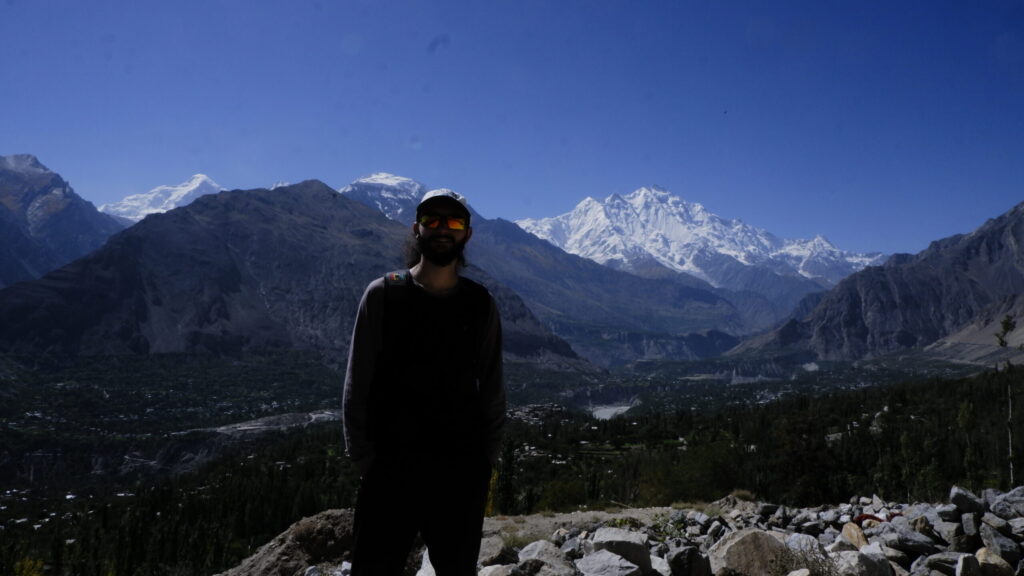
Is Hunza Safe for Solo Female Travelers?
This is the question I get most often, so let me address it directly.
Yes, Hunza is one of the safest places in Asia for solo female travelers.
Several factors make Hunza unique:
Female literacy rate above 95%. Hunza has the highest female literacy rate in Pakistan, higher than most Asian countries. Women here are educated, employed, and active in public life. You’ll see women running shops, teaching schools, and managing guesthouses.
Ismaili community values. Hunza is predominantly Ismaili Muslim, a sect that emphasizes pluralism, education, and gender equality. The Aga Khan Foundation has been active here for decades, transforming the region’s social structure.
Tight community accountability. Hunza is small. Everyone knows everyone. If anyone harassed a foreign tourist, news would reach the whole valley by sunset and the social consequences would be severe. This isn’t theoretical — it’s how the community functions.
Active tourism police. Karimabad, Altit, Attabad Lake, and other tourist sites have visible tourism police who specifically protect foreign visitors.
Practical advice for solo female travelers:
Dress modestly but not strictly. Hunza is more relaxed than Islamabad or Lahore, but covering shoulders and wearing pants or long skirts is appreciated. Many female travelers buy a shalwar kameez (traditional outfit) which is comfortable and helps you blend in.
Expect to be stared at. This is curiosity, not threat. Foreign tourists, especially women, are still uncommon enough to attract attention. The staring is genuinely curious and not aggressive.
Photos. You’ll be asked for photos constantly, especially with local children and families. If you’re comfortable, smile and take the photo. If not, a polite “no thank you” is universally respected.
Solo female accommodations I recommend:
- Hunza Serena Inn (Karimabad): International-standard hotel, female-friendly staff
- Old Hunza Inn (Karimabad): Boutique guesthouse, female owner active in tourism
- Eagle’s Nest Hotel: Historic hotel with good security and female staff
I’ve personally guided over 80 solo female travelers through Hunza since 2017. Not one has reported feeling unsafe. Many have told me they felt safer here than in their home cities.
Is Hunza Safe for Americans Specifically?
Yes. Americans are warmly welcomed in Hunza, and political tensions between governments don’t translate to interpersonal hostility.
A few things American travelers should know:
Pakistanis distinguish between US government and US people. This is culturally important. Most Hunza locals will have family connections to the US (the Pakistani-American diaspora is over a million strong) or know someone who studied in America. You’ll be welcomed as a guest, not viewed as a representative of US foreign policy.
Anti-American sentiment in Hunza is virtually non-existent. Unlike some regions of Pakistan or other Asian countries where US foreign policy creates resentment, Hunza’s relative isolation, Ismaili community values, and tourism economy make it genuinely welcoming to Americans.
Avoid political conversations. This isn’t because anyone will harm you. It’s because political discussions can derail otherwise pleasant interactions. If a conversation drifts toward US policy in the region, simply say “I’m just here for the mountains and food” — this universally redirects the conversation.
Customs and immigration are straightforward. I’ve covered this in detail in my Pakistan visa for US citizens guide. Americans receive standard tourist treatment with no special scrutiny.
What Makes Hunza Different from Rest of Pakistan
Several factors create Hunza’s uniquely safe environment:
Geographic isolation. The Karakoram mountains physically separate Hunza from any region with extremist activity. The roads in are limited and well-monitored. There’s no easy way for anyone with bad intentions to even reach Hunza.
The Aga Khan Foundation legacy. Since the 1980s, the Aga Khan Foundation has invested heavily in Hunza’s education, healthcare, and economic development. The result is one of the most progressive, educated communities in the entire South Asian region.
Strong local governance. Gilgit-Baltistan operates with significant administrative autonomy. Local police are well-trained and tourism-focused. Provincial leadership has actively developed Hunza as Pakistan’s premier tourism destination.
Economic incentive structure. Tourism is Hunza’s economic lifeblood. Every shopkeeper, hotel owner, taxi driver, and guide has direct financial incentive to ensure tourists feel safe and welcome. Word travels fast, and any incident affects everyone’s livelihood.
Demographics. Hunza’s population is predominantly Ismaili Muslim with significant Wakhi and Burusho cultural heritage. The community is small (around 100,000 people across the valley), educated, and tightly connected.
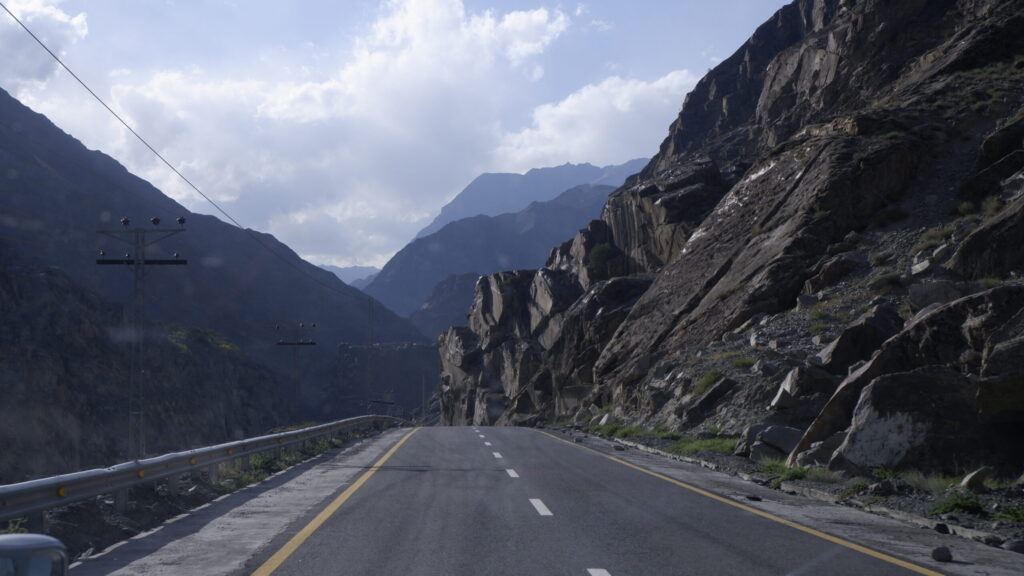
Practical Safety Tips for Hunza Travelers
Even in safe destinations, smart travelers take precautions. Here’s my practical guidance:
Cell phone coverage: Coverage is good in Karimabad, Aliabad, and major villages. It weakens significantly in remote areas like Shimshal, Khunjerab Pass, and high-altitude treks. Get a Pakistani SIM card in Islamabad before traveling north. Jazz and Zong have the best Hunza coverage.
Emergency contacts:
- Hunza Tourism Police: 0581-457055
- Aga Khan Health Service Hospital, Aliabad: 0581-457028
- Gilgit DHQ Hospital: 05811-920305
- US Embassy Islamabad: +92-51-201-4000
STEP enrollment: Register with the US State Department’s STEP program so the embassy knows you’re in Pakistan. Free and takes 5 minutes.
Travel insurance: Get insurance with medical evacuation coverage. Hunza has good basic medical care but serious issues require evacuation to Islamabad. Companies like World Nomads, IMG, and SafetyWing cover Pakistan.
Money: ATMs are available in Karimabad and Aliabad but unreliable. Bring USD cash for emergencies and exchange to PKR (Pakistani Rupees) at hotels or banks. Don’t carry large amounts of cash in markets.
Drink bottled or filtered water. Tap water is safe for locals but can cause stomach issues for travelers. Bottled water is cheap and widely available.
Tell your family the actual itinerary. Vague plans worry people back home. Sharing specific dates, hotels, and your guide’s contact information reassures everyone.
What to Avoid in Hunza
Here’s an honest list of things that could create issues, even in a safe place:
Photographing without permission. Especially older women in rural villages or anyone in religious settings. Always ask first. A simple gesture toward your camera with a questioning look works universally.
Photographing military checkpoints. This is a legitimate restriction that applies throughout Pakistan. Don’t do it.
Aggressive driving on Karakoram Highway. The KKH is dramatic and beautiful but has narrow sections, hairpin turns, and occasional landslides. Don’t rent your own vehicle and drive recklessly. Use experienced local drivers.
Late-night travel between cities. While Hunza itself is safe at night, traveling between cities late at night isn’t recommended due to road conditions and weather, not security.
Ignoring weather warnings. Hunza weather changes rapidly. Roads can close from snow or landslides with little notice. Trust local guidance about weather and travel conditions.
Hiking without a guide above 4,000m. This isn’t a safety-from-people issue but a safety-from-mountains issue. The terrain is genuinely dangerous to navigate alone.
Comparing Hunza to Other “Safe” Travel Destinations
For context, let me compare Hunza to other destinations Americans frequently consider:
Hunza vs Kashmir, India: Both are mountainous and beautiful. Hunza has stronger tourism safety record and lower current geopolitical tensions. Kashmir’s tourism comes and goes with India-Pakistan tensions.
Hunza vs Nepal mountain regions: Comparable safety records. Nepal has better infrastructure but more crowded popular trails. Hunza is less commercialized and more authentic.
Hunza vs Kyrgyzstan/Tajikistan: All Central Asian mountain destinations are remarkably safe. Hunza has better tourism infrastructure and English-speaking guides. Tajikistan is more remote.
Hunza vs Bali, Indonesia: Bali has higher tourist crime rates including scams, theft, and traffic incidents. Hunza is statistically safer despite less developed tourism infrastructure.
Hunza vs Vietnam: Vietnam has higher overall tourism volume but also more tourist-targeted scams. Hunza is more authentic and arguably safer for solo travelers.
What People Get Wrong About Hunza
I’ve heard most concerns about Hunza safety.
Conflating Pakistan with Hunza. A lot of people often share concerns about Karachi or Lahore as if they apply to Hunza. They don’t. Pakistan’s regions vary as much as Texas varies from Vermont.
Outdated information. There is not a lot of content online about how safe Hunza really is, compared to the rest of Pakistan. Hunza’s tourism infrastructure has dramatically improved since 2015. The internet, road conditions, hotels, and tourism services are all significantly better than older threads suggest.
Missing the local perspective. Locals and long-term guides like me have data and patterns that single-trip travelers can’t see.
The Real Risks (Honest Assessment)
In nine years of guiding, here’s what actually causes problems for Hunza visitors. Notice none of these are crime-related:
Food poisoning — Most common issue. Affects roughly 1 in 5 first-time visitors. Manageable with hydration and basic medication.
Altitude sickness — Hunza sits at 2,500m. The Khunjerab Pass crosses 4,700m. About 30% of visitors experience mild symptoms. Resolves with rest and hydration.
Weather delays — Flights to Gilgit cancel frequently. Karakoram Highway can close from landslides. Build buffer days into your itinerary.
Road conditions — The KKH is spectacular but rough. Motion sickness is common. Bring medication if you’re sensitive.
Cold at altitude — Even in summer, nights can be cold above 3,000m. Bring proper layers.
Currency exchange issues — ATMs are unreliable. Always have backup USD cash.
That’s the actual risk profile of a Hunza trip. Compare this to literally any major American city’s risk profile. The math heavily favors Hunza.
Should You Come to Hunza?
If you’ve read this far, you’re seriously considering visiting Hunza but want honest information. Here’s my honest take.
You should come to Hunza if:
- You want to visit one of Asia’s most extraordinary mountain regions
- You can look past Pakistan’s reputation in Western media
- You’re a solo female traveler who’s been told Pakistan is dangerous (it’s not, in Hunza)
- You’re an American who’s hesitated due to general Pakistan concerns
- You want a destination that’s safer than most places you’ve already traveled
You should reconsider if:
- You’re not prepared for the journey (Hunza is remote — flights, logistics, time)
- You expect Western-style luxury infrastructure throughout
- You’re not flexible about weather-related schedule changes
- You can’t get travel insurance with high-altitude coverage
My honest recommendation: If you’re seriously asking “is Hunza safe,” you’ve probably already done some research. The data is on Hunza’s side. The stories from past travelers are on Hunza’s side. The local experience over decades is on Hunza’s side. The only thing standing between you and Hunza is the gap between Pakistan’s reputation and Pakistan’s reality.
Cross that gap. Hunza will surprise you in ways that no other destination can.
Frequently Asked Questions About Hunza Safety
Is Hunza safer than other parts of Pakistan? Yes, significantly. Hunza has lower crime rates than Pakistan’s major cities and is geographically isolated from regions with security concerns. Hunza is consistently rated among the safest regions in South Asia for tourists.
Is Hunza safe for Americans? Yes. Americans are warmly welcomed in Hunza. The region has no history of anti-American incidents, and the Pakistani-American diaspora connection means most locals view Americans positively.
Is Hunza safe for solo female travelers? Yes, Hunza is one of the safest destinations in Asia for solo female travelers. High female literacy, Ismaili community values, and active tourism police create an exceptionally welcoming environment.
What is the crime rate in Hunza? Approximately 1.2 per 100,000 people for violent crime — comparable to the United Kingdom and significantly lower than the United States. Petty crime, theft, and tourist-targeted scams are rare.
Is the Karakoram Highway safe to drive? Yes, with experienced drivers. The KKH has narrow sections and seasonal weather risks but is well-maintained and used daily by thousands of vehicles. Always use professional local drivers, not rental cars.
Is Hunza safe at night? Yes. Karimabad, Aliabad, and other towns are safe to walk at night. Solo female travelers regularly report feeling safer in Hunza at night than in their home cities.
Do I need security guards or escorts in Hunza? No. Tourist police maintain a presence at major sites but personal security guards are unnecessary and would be considered unusual.
Has there ever been a terrorist attack in Hunza? No. There have been no terrorist incidents in Hunza Valley in the past decade. The region’s geographic isolation and community structure make it geographically and demographically separate from areas with extremist activity.
Should I tell my family I’m going to Pakistan? Yes, but show them this article first. Most family concerns are based on outdated or geographically inaccurate perceptions of Pakistan. Sharing specific information about Hunza specifically helps reassure them.
Is travel insurance needed for Hunza? Yes, get insurance with medical evacuation coverage. While crime risk is minimal, altitude-related issues or accidents can require evacuation to Islamabad. Companies like World Nomads, IMG, and SafetyWing cover Pakistan and high-altitude travel.
About the Author: Karim Khan was born and raised in Hunza Valley, Pakistan. He is a government-licensed tour operator (License ID 98982) and lead guide at The Vacation Project. Since 2017, he has guided over 300 international travelers through Hunza and northern Pakistan. Karim provides honest, on-the-ground perspective on Pakistan travel safety to help international visitors make informed decisions. Contact: info@thevacationproject.co
Last updated: April 2026